The environmental group says the $17 billion project should not proceed until an independent impact assessment and public consultation are completed.
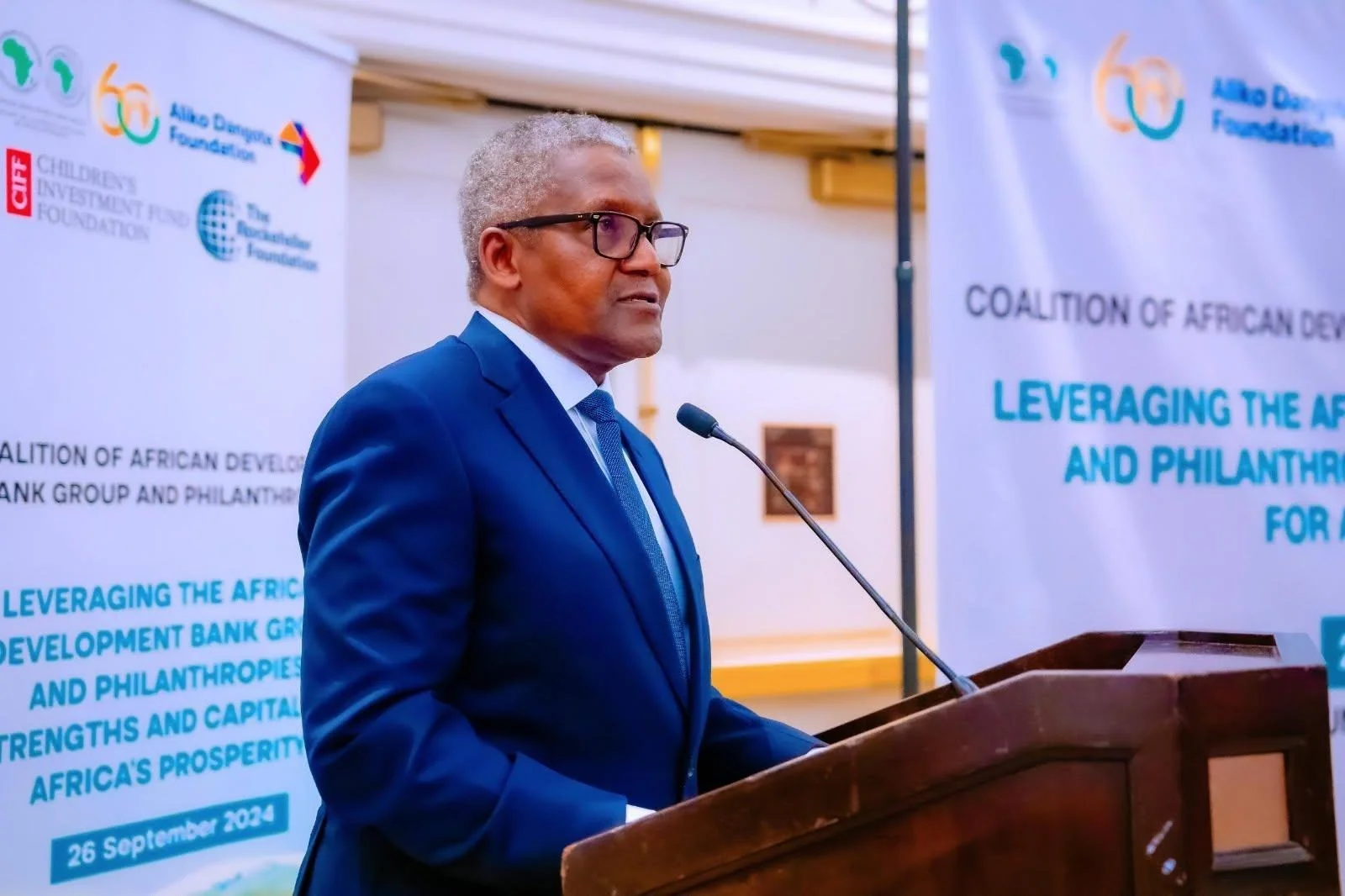
Nairobi, Kenya (Running Africa) — Greenpeace Africa has called on the Kenyan government to suspend approval of the proposed $17 billion Dangote oil refinery in Lamu County, warning that the mega project could have significant environmental and long-term economic consequences.
The appeal comes just days after Dangote Industries announced plans to build a 700,000-barrel-per-day oil refinery in Lamu, a facility expected to become East Africa’s largest refinery.
The company says the investment will strengthen regional energy security, reduce dependence on imported petroleum products, and create thousands of jobs across Kenya and the wider East African region.
Environmental Concerns Over Lamu’s Coastal Ecosystem
Greenpeace Africa argues that the proposed refinery could threaten some of East Africa’s most ecologically important coastal habitats, including Lamu’s mangrove forests, coral reefs, and seagrass beds.
According to the environmental organization, these ecosystems are critical to sustaining local fisheries, tourism, and the livelihoods of coastal communities.
The group also warned that large-scale refining operations could increase the risk of oil, marine, and air pollution, potentially causing long-term damage to the region’s biodiversity.
Call for Independent Environmental Assessment
Greenpeace Africa urged Kenyan authorities to withhold approval until a comprehensive and independent Environmental and Social Impact Assessment (ESIA) is completed, publicly released, and subjected to meaningful public consultation.
The organization said transparent environmental oversight is essential before any decision is made on a project of this scale.
Debate Over Kenya’s Energy Future
Beyond environmental concerns, Greenpeace questioned the long-term economic value of investing heavily in new fossil fuel infrastructure at a time when many countries are accelerating the transition to renewable energy.
The organization argued that comparable investment in solar, wind and geothermal energy could strengthen Kenya’s clean energy sector, improve energy access and support more sustainable economic growth.
The proposed Dangote refinery has sparked debate over the balance between industrial development, energy security, and environmental protection, with Kenyan authorities yet to announce whether the project will proceed to the next stage of regulatory approval.