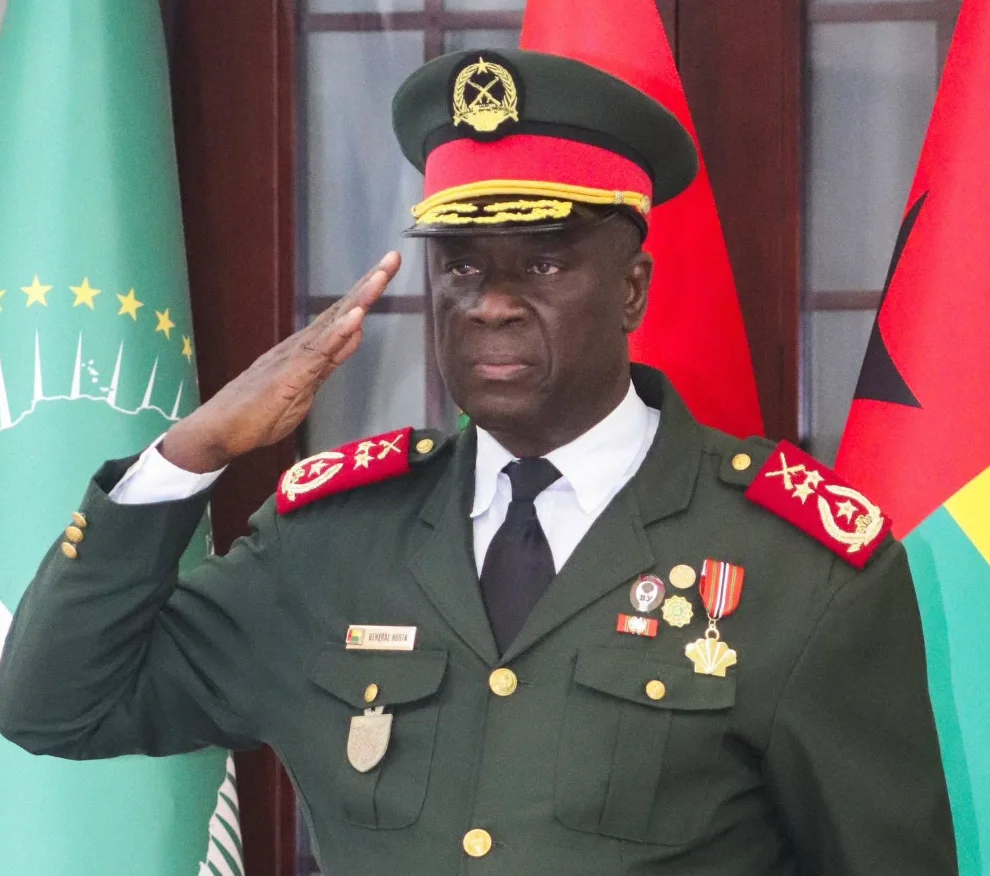
Bissau, Guinea-Bissau (Running Africa) — Guinea-Bissau has approved a new constitution that significantly expands presidential powers, according to provisional referendum results released by election officials, months before the West African country holds a presidential election in December.
The constitutional overhaul gives the president greater authority over the prime minister, cabinet, and parliament, marking a major shift in the country’s political system.
Provisional results from the National Electoral Commission showed about 70% of voters backed the constitution, while 30% opposed it. Officials said approximately 544,060 people voted, representing close to 60% of registered voters.
New Constitution Expands Presidential Powers
Under the existing framework, Guinea-Bissau’s parliament selects the prime minister, who then forms a government.
The new constitution allows the president to appoint and dismiss the prime minister and cabinet members, as well as create or eliminate government ministries.
The president will also be able to dissolve parliament during what the constitution describes as a “grave political crisis.”
The changes extend to the National People’s Assembly, which will be reduced from 102 seats to 65, while electoral constituencies will fall from 29 to 12.
A new residency requirement will also prevent presidential candidates from running unless they have lived continuously in Guinea-Bissau for the previous five years.
PAIGC Boycotts Constitutional Referendum
The opposition African Party for the Independence of Guinea and Cabo Verde (PAIGC) boycotted the referendum, arguing that the process lacked sufficient political and institutional oversight.
PAIGC leader Domingos Simões Pereira accused supporters of the reforms of undermining the country’s democratic foundations.
Questions have also emerged over public awareness of the referendum. Despite the official turnout figure, some polling stations in Bissau appeared sparsely attended, while several residents said they were unaware of the vote or unclear about the proposed changes.
Those observations do not establish nationwide turnout, and the official results remain provisional.
2026 Election Becomes Major Test
The constitutional overhaul comes months after Guinea-Bissau experienced another military takeover, continuing a history of political instability and military intervention.
The country has endured repeated coups and attempted coups since gaining independence from Portugal in 1974.
Attention will now turn to the December 2026 presidential election, which will be held under a political system giving significantly greater authority to the presidency.
The vote is expected to be an important test of Guinea-Bissau’s political direction as the country navigates constitutional change, opposition concerns, and ongoing questions about democratic governance.