London’s iconic street festival celebrates six decades of music, creativity, and community, while honoring the Caribbean roots that shaped its identity.
London, United Kingdom (Running Africa) — Notting Hill Carnival has celebrated its 60th anniversary, marking six decades since a small community gathering in west London evolved into one of Europe’s largest and most recognizable cultural celebrations.
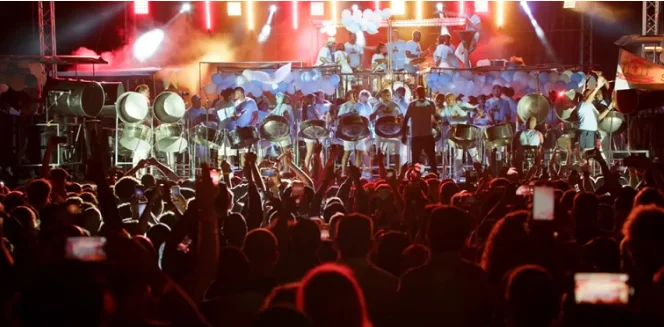
The 2026 Notting Hill Carnival, held from August 29 to 31, transformed the streets of west London with steel bands, sound systems, elaborate masquerade costumes, Caribbean food, and live performances.
Organizers describe Notting Hill Carnival as Europe’s largest cultural event, attracting more than two million people and bringing together communities from Britain, the Caribbean, Africa, and across the world.
But behind the music, costumes and celebration lies a history rooted in migration, racial tension and efforts to build stronger community ties in post-war London.
Notting Hill Carnival Celebrates 60th Anniversary
The 2026 edition marked 60 years since the street celebration that helped lay the foundations for the modern Notting Hill Carnival.
Over three days, performers, musicians, masquerade bands, and sound systems filled streets across Notting Hill as crowds gathered for one of the biggest events on Britain’s cultural calendar.
The anniversary provided an opportunity not only to celebrate the carnival’s growth but also to reflect on the generations of Caribbean communities that shaped its identity.
Today, the event has become internationally recognized for its music, costumes, dancing, and distinctive street atmosphere.
How Notting Hill Carnival Began in 1966
The carnival traces a key part of its origins to 1966, when community organizer Rhaune Laslett held a street fair to bring together residents of a west London neighborhood affected by racial tension, poor housing, and social division.
Trinidadian steelpan musician Russell Henderson and his band joined the festivities, taking their music into the streets and creating an impromptu procession.
That moment helped establish a tradition that would evolve into the Notting Hill Carnival as it is recognized today.
As the celebration grew, Caribbean communities increasingly shaped its music, visual identity, and wider cultural significance.
Caribbean Culture Remains at Heart of Notting Hill Carnival
Six decades later, Caribbean heritage remains central to the carnival.
Steelpan, calypso, and soca continue to provide much of their musical foundation, while elaborate masquerade, or “mas,” bands bring Caribbean carnival traditions onto the streets of London.
Sound-system culture has also become one of the event’s defining features, reflecting the influence of Caribbean communities on British music.
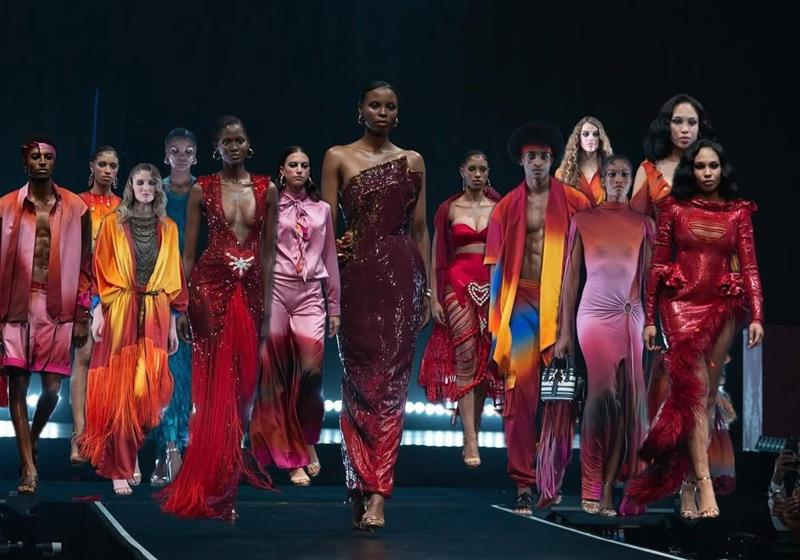
Alongside the performances, Caribbean food and fashion contribute to an event that has become a major showcase for the region’s cultural traditions.
These elements have allowed successive generations of British Caribbean communities to maintain connections with their heritage while introducing those traditions to wider audiences.
From Community Street Fair to Major London Cultural Event
The transformation of Notting Hill Carnival over 60 years has been significant.
What began as a neighborhood initiative designed to bring residents together has developed into an event that organizers say attracts more than two million people.
Its growth has made the carnival an important part of London’s cultural identity and one of the most prominent celebrations of Caribbean culture outside the region.
The event also attracts international visitors and performers, strengthening its position as a global celebration of music, dance, and cultural expression.
Carnival Reflects Caribbean Community Resilience in Britain
The 60th anniversary has also brought renewed attention to the deeper history behind the celebration.
Notting Hill was shaped by significant social and racial tensions during the decades following increased Caribbean migration to Britain.
Against that backdrop, cultural gatherings provided spaces for communities to celebrate their identity, build solidarity, and assert their place within British society.
Notting Hill Carnival consequently developed into more than an annual street party. For many participants, it became an expression of Caribbean identity, resistance, creativity, and community resilience.
That history remains an important part of understanding why the carnival continues to hold such significance six decades later.
Notting Hill Carnival Highlights Caribbean Influence on British Culture
The carnival’s growth also reflects the broader influence Caribbean communities have had on modern British culture.
Music associated with Caribbean migration has helped shape numerous British genres and scenes, while Caribbean influences can also be seen across food, fashion, language, and popular culture.
Notting Hill Carnival brings many of those influences together in a single annual celebration.
Its sound systems, steelpan performances, and masquerade traditions have become familiar features of London’s cultural landscape while maintaining strong connections to their Caribbean origins.
Notting Hill Carnival Enters Its Seventh Decade
Sixty years after the 1966 street fair that helped lay its foundations, Notting Hill Carnival has grown into a cultural institution that connects generations.
The 2026 anniversary celebrated that transformation while recognizing the communities responsible for sustaining the event.
From Rhaune Laslett’s community street fair and Russell Henderson’s steelpan procession to the millions who now participate in and attend the carnival, its history reflects the enduring power of culture to connect communities.
As Notting Hill Carnival enters its seventh decade, Caribbean heritage remains at its heart — preserving traditions, celebrating community resilience, and demonstrating the lasting contribution of Caribbean people to London and British culture.