The charges come after a deadly security operation and a disputed presidential election that has heightened political tensions in Zambia.
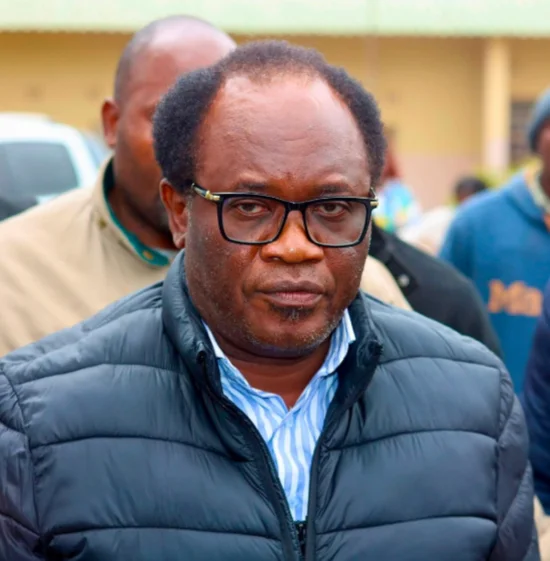
Lusaka, Zambia (Running Africa) — Zambian opposition leader Brian Mundubile has been charged with treason alongside 17 others, including his running mate Makebi Zulu, marking a significant escalation in the political crisis that has followed the country’s August 2026 presidential election.
Mundubile challenged President Hakainde Hichilema in the August 13 vote but rejected the official result after electoral authorities declared the incumbent the winner with 60% of the vote, compared with Mundubile’s 38%.
The treason charges follow a security operation at a property linked to Mundubile in Lusaka, where former cabinet minister Mutotwe Kafwaya was killed. Authorities allege that members of the opposition NRPUP were involved in plans for an armed insurgency and say weapons were recovered during the raid.
Mundubile and his allies have denied the allegations.
Brian Mundubile and 17 Others Charged With Treason
The charges against Mundubile and 17 co-accused represent one of the most serious developments in Zambia’s tense post-election period.
Among those charged is Makebi Zulu, Mundubile’s running mate in the presidential election.
Treason is an exceptionally serious criminal allegation, but the accusations against Mundubile and the other defendants remain allegations and have not been established by a court.
The opposition has rejected claims that it was preparing an armed uprising and disputes the authorities’ account of its activities following the election.
Treason Case Follows Deadly Lusaka Security Raid
The investigation intensified following a security raid on a property linked to Mundubile in Lusaka.
Former cabinet minister Mutotwe Kafwaya was killed during the operation, while several opposition figures were detained.
Authorities claim the NRPUP was connected to preparations for an armed insurgency and say weapons were recovered during the operation.
The opposition has strongly denied involvement in any plot to overthrow the government through violence.
The circumstances surrounding Kafwaya’s death and the alleged discovery of weapons are likely to face further scrutiny as the treason case proceeds through Zambia’s legal system.
Mundubile and Makebi Zulu Sought Refuge at UN Facility
Following the security operation, Mundubile and Zulu reportedly sought refuge at a United Nations facility in Lusaka amid concerns over their safety.
The two opposition figures were subsequently taken into custody.
Their detention came as tensions between the government and opposition intensified over both the criminal allegations and the disputed presidential election.
The case is now expected to become a major test of Zambia’s judicial institutions as authorities pursue charges against figures who played prominent roles in the recent election.
Hichilema Won Zambia Election 2026 With 60%
The political confrontation follows the August 13 presidential election, in which Hichilema secured a second term.
Official results gave the president 60% of the vote, while Mundubile received 38%.
Mundubile rejected the declared outcome, setting the stage for a potential legal challenge.
However, the opposition ultimately failed to file its election petition within the required timeframe.
That failure has itself become part of the dispute surrounding the election.
Opposition Claims It Was Blocked From Challenging Election Result
Mundubile’s allies allege that they were prevented from accessing the courts on the final day available to lodge a petition challenging Hichilema’s victory.
The opposition argues that this prevented it from exercising its legal right to contest the presidential result.
Those allegations have added another dimension to the post-election crisis, raising questions about access to judicial institutions and the mechanisms available for resolving electoral disputes.
Any claim that officials deliberately prevented an election petition from being filed would require independent examination before responsibility could be established.
Zambia Treason Case Raises Scrutiny of Political Freedoms
The prosecution of a presidential challenger and other senior opposition figures is likely to attract scrutiny both within Zambia and internationally.
Authorities face the task of demonstrating the evidence supporting allegations of an armed insurgency while ensuring the defendants receive due process.
The opposition, meanwhile, is likely to continue arguing that the case must be viewed within the broader context of the disputed election and the security operations that followed.
How the proceedings are conducted could influence perceptions of political freedoms, judicial independence and the treatment of opposition figures in Zambia.
Treason Charges Deepen Zambia’s Post-Election Crisis
With Hichilema preparing to begin his second term, the charges against Mundubile and 17 others shift Zambia’s post-election dispute into a potentially prolonged legal and political confrontation.
What began as disagreement over the presidential result now involves treason allegations, a deadly security raid, claims of an armed insurgency and opposition complaints over access to the courts.
The accusations against Mundubile and his co-defendants remain to be tested through the judicial process.
But the seriousness of the charges means the case is likely to remain at the center of Zambia’s political debate as Hichilema begins another term and the country confronts questions over how its institutions manage one of its most consequential post-election disputes.