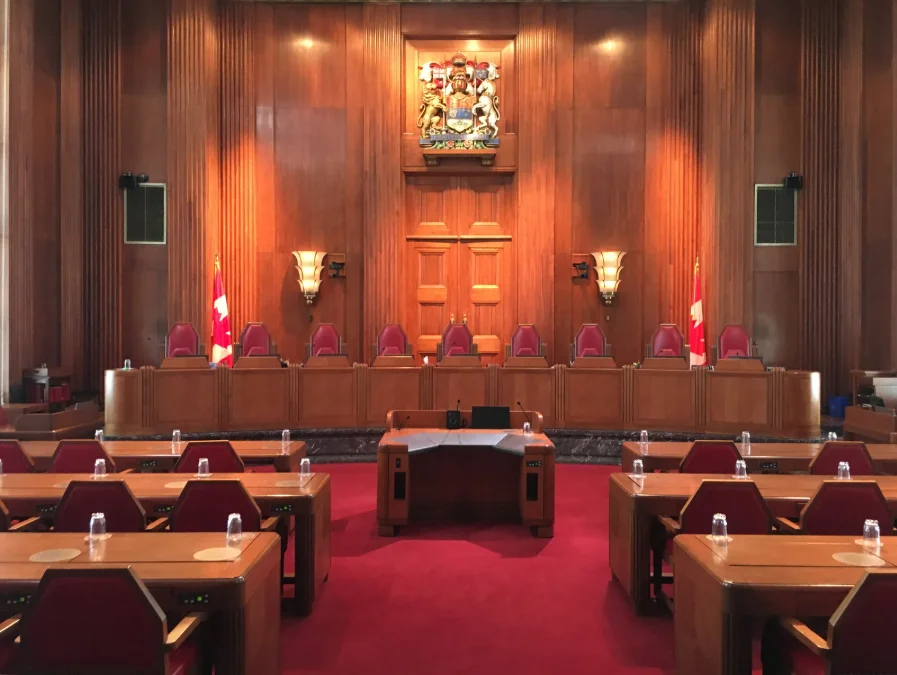
Lusaka, Zambia (Running Africa) — Zambian authorities closed the country’s Supreme Court and Constitutional Court in Lusaka on Monday, August 24, the final day available to opposition leader Brian Mundubile to file a legal challenge against the results of the 2026 presidential election.
The judiciary cited security concerns for the closures and instructed staff not to report for work. Police said security assessments were underway but provided no further details about the nature of the threat.
The timing has drawn particular attention because Mundubile, who finished second in the August 13 election, had announced plans to petition the Constitutional Court over President Hakainde Hichilema’s re-election.
Under Zambia’s electoral laws, a presidential election challenge must be filed within seven days of the official declaration of results, leaving the opposition facing a deadline in the early hours of Tuesday, August 25.
Zambia Supreme Court and Constitutional Court Closed Over Security
The closure affected two of Zambia’s highest judicial institutions at a critical moment in the post-election process.
Judicial authorities said the decision was taken for security reasons, while employees were advised to remain away from their workplaces.
Police confirmed that security assessments were continuing but did not publicly disclose specific threats or incidents that prompted the closures.
The lack of further details has intensified scrutiny because the shutdown coincided with the final window for challenging the presidential election outcome.
Brian Mundubile Planned Challenge to Zambia Election Results
Mundubile had announced his intention to petition the Constitutional Court of Zambia, alleging irregularities surrounding the election and the handling of results.
The opposition leader finished second in the August 13 presidential vote behind Hichilema.
Under Zambia’s election rules, presidential petitions must be submitted within a strict seven-day period following the official announcement of results.
That deadline was due to expire in the early hours of August 25, making Monday’s court closure potentially significant for Mundubile’s planned legal action.
It was not immediately clear what alternative arrangements, if any, were available for filing the petition while the courts were closed.
Hichilema Won Zambia Election With About 60% of Vote
Hichilema secured a second term after receiving approximately 60% of the presidential vote, according to the official results.
Mundubile received around 38% and subsequently rejected the outcome, saying his campaign had documented irregularities involving voting, counting and the transmission of results.
Hichilema has rejected allegations of electoral fraud and maintains that his victory reflects the choice of Zambian voters.
However, questions surrounding the electoral process have continued after observers raised concerns about aspects of the vote, including reports suggesting possible inflation in some vote counts.
Those concerns have helped fuel the opposition’s push for judicial scrutiny of the result.
Mundubile and Opposition Allies Face Security Investigations
The court closures also come against the backdrop of growing tensions between authorities and figures linked to Mundubile.
Several of the opposition leader’s associates have been arrested since the election, while Mundubile himself has been questioned by police over allegations involving threats to national security.
Authorities maintain that the investigations relate to legitimate security concerns.
Mundubile has rejected the allegations and claims the actions against him and his associates are politically motivated.
The competing accounts have intensified concerns over Zambia’s post-election political environment.
Court Closure Raises Questions Over Zambia Election Challenge
The closure of the Supreme Court and Constitutional Court does not by itself establish that authorities sought to prevent Mundubile from filing his petition.
However, its timing on the final day of the legal window is likely to raise questions about whether the opposition was able to exercise its right to challenge the election results.
Any dispute over whether Mundubile was prevented from filing could create an additional legal and constitutional question beyond the allegations concerning the election itself.
With Hichilema beginning a second term and the opposition seeking to contest his victory, the handling of the petition deadline will be closely watched.
For Zambia, the controversy has moved beyond the ballot box to the institutions responsible for resolving electoral disputes — placing the independence and accessibility of the courts at the center of the country’s increasingly tense post-election period.