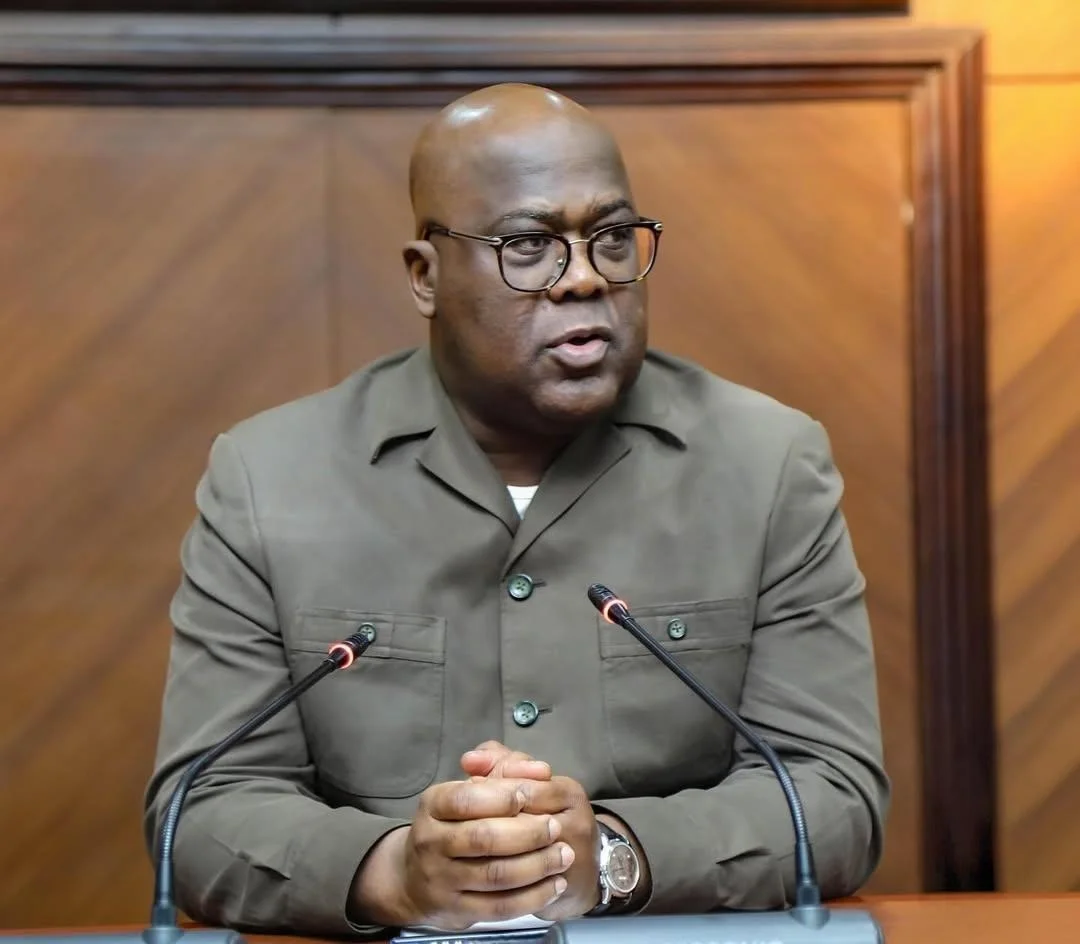
Kinshasa, DR Congo (Running Africa) — The Democratic Republic of Congo’s Senate has approved a constitutional reform bill that could pave the way for President Félix Tshisekedi to seek a third term in office, intensifying political debate ahead of the country’s 2028 presidential election.
The legislation received unanimous backing from 89 senators and authorizes a national referendum on a proposed new constitution. If approved by voters, the reforms would establish a new constitutional framework that could reset presidential term limits, potentially allowing Tshisekedi to run again after completing his current mandate.
The bill now awaits the president’s signature before moving to the next stage of the process.
The Senate vote comes amid growing political tensions in Kinshasa, where recent protests against the proposed reforms turned violent. Security forces reportedly used tear gas and live ammunition to disperse demonstrators, drawing criticism from opposition groups and civil society organizations.
Opposition leaders have condemned the proposed constitutional changes, arguing that they could weaken democratic safeguards and concentrate power in the presidency. Supporters, however, say the reforms would allow Congolese voters to determine the country’s constitutional future through a referendum.
Tshisekedi first assumed office in 2019 following DR Congo’s first peaceful transfer of power since independence and secured re-election in 2023. Under the current constitution, presidents are limited to two terms.
The debate places DR Congo at the center of a broader continental discussion over presidential term limits and constitutional amendments. Across Africa, similar efforts to extend or reset term limits have often sparked controversy, with critics warning they can erode democratic institutions and prolong leaders’ time in power.
As the country moves closer to the 2028 elections, the constitutional reform process is expected to remain a major political issue, unfolding alongside ongoing security challenges, governance concerns, and questions about the future of democracy in Africa’s second-largest nation.