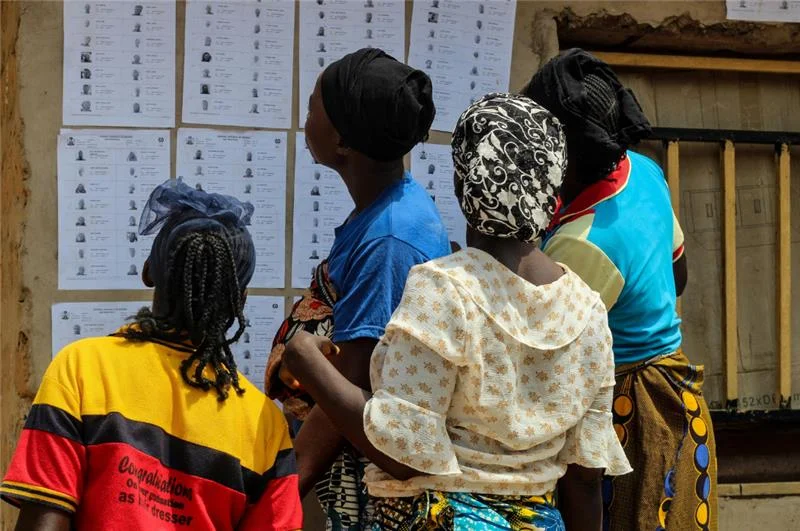
Lusaka, Zambia (Running Africa) — Zambians are set to head to the polls in August for a pivotal presidential election that is widely being viewed as a referendum on President Hakainde Hichilema and his administration’s economic reforms during its first term in office.
Hichilema, 64, swept to power in 2021 after defeating former president Edgar Lungu, inheriting an economy under severe strain after Zambia became Africa’s first sovereign nation to default on its debt during the COVID-19 pandemic in 2020.
Since taking office, Hichilema’s government has overseen a debt restructuring program, stabilized key economic indicators, attracted foreign investment and benefited from rising global copper prices. Inflation has also fallen to its lowest level in more than eight years, signaling signs of macroeconomic recovery.
Despite those gains, many Zambians continue to grapple with a high cost of living, unemployment and persistent economic hardship, making bread-and-butter issues central to the election campaign.
As Africa’s second-largest copper producer, Zambia remains heavily reliant on the mining sector, with voters closely watching how candidates plan to diversify the economy, create jobs and translate economic growth into improved living standards.
The opposition has rallied behind first-time presidential candidate Brian Mundubile, a 55-year-old lawyer and member of parliament, who argues that the government’s economic progress has yet to deliver meaningful benefits for ordinary citizens.
Beyond the economy, the campaign has also been shaped by concerns over democratic governance and civil liberties. Opposition leaders and civil society groups have accused Hichilema’s administration of restricting opposition activities and introducing legislation they say could limit freedom of expression—allegations the president has consistently denied.
Although opinion polls indicate that Hichilema remains the frontrunner, political analysts caution that Mundubile’s unified opposition campaign could make the race more competitive than expected.
The outcome of the election is expected to shape Zambia’s political and economic direction for years to come, with voters set to decide whether Hichilema’s reform agenda has delivered enough progress to earn him a second term or whether the country should pursue a different path under new leadership.