Johannesburg, South Africa (Running Africa) — Eleven more migrants deported from the United States have arrived in Eswatini under the Trump administration’s third-country deportation policy, bringing the total number of deportees transferred to the southern African kingdom to 29.
The policy allows the United States to deport certain migrants to third countries when their countries of origin are unwilling or unable to receive them, a move that has drawn increasing scrutiny from human rights organizations and immigration advocates.
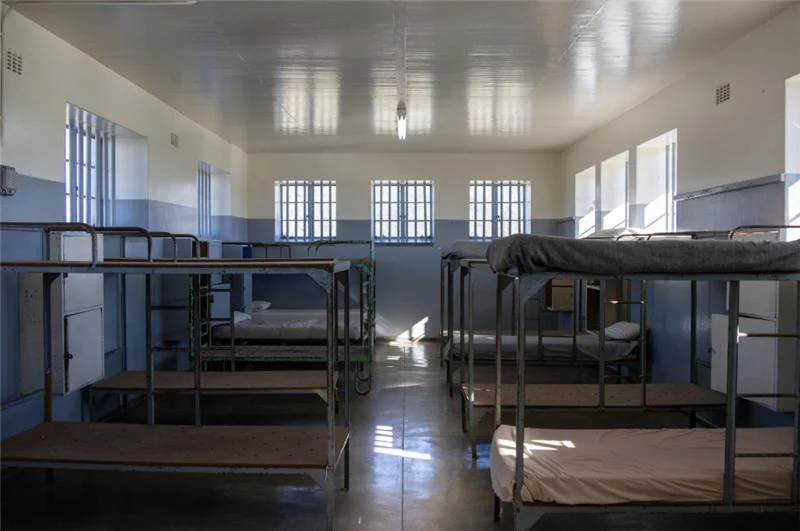
According to lawyer Alma David, the latest group of deportees was transferred to Matsapha Correctional Facility, a maximum-security prison in Eswatini, shortly after arriving in the country.
Legal representatives have criticized the arrangement, arguing that the migrants are effectively being detained despite having already completed their criminal sentences in the United States. Rights advocates have questioned both the legality and humanitarian implications of housing deportees in a prison while awaiting further processing or repatriation.
To date, only two deportees have reportedly been released from Eswatini and returned to their countries of origin—Jamaica and Cambodia.
Formerly known as Swaziland, Eswatini is Africa’s last absolute monarchy, ruled by Mswati III. The country has faced longstanding criticism from international human rights organizations over restrictions on political freedoms, prison conditions and the treatment of detainees.
Reports indicate that the deportation agreement is worth approximately $5.1 million, forming part of a broader U.S. strategy to relocate migrants whose home countries decline to accept their return.
The policy has also resulted in deportations to several countries across Africa, Asia and the Americas, prompting growing concern among legal experts and human rights groups, who argue that third-country removals may expose deportees to prolonged detention, uncertain legal status and limited access to due process.
The latest transfers are expected to intensify debate over international migration policies, the treatment of deported migrants and the role of third countries in U.S. immigration enforcement.