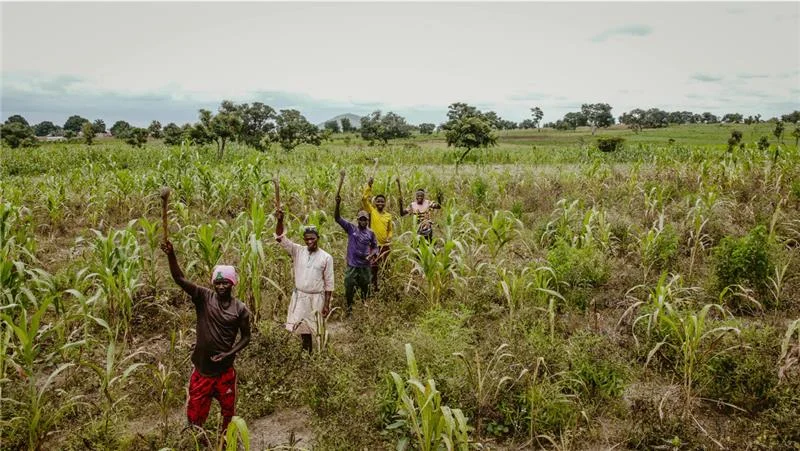
Kampala, Uganda (Running Africa) — A group of Ugandan farmers has launched a legal challenge against the East African Crude Oil Pipeline (EACOP) in the UK High Court, seeking to hold the pipeline’s UK-registered company accountable under Ugandan constitutional, environmental and climate laws.
The lawsuit, filed before the pipeline becomes operational, argues that the multi-billion-dollar oil project threatens local communities’ land rights, livelihoods and the environment. If successful, the case could significantly delay or halt the development of one of Africa’s largest energy infrastructure projects.
The 1,443-kilometre East African Crude Oil Pipeline is designed to transport crude oil from Uganda’s oilfields in the Albertine Graben to the Tanzanian port of Tanga on the Indian Ocean for export to international markets.
The project is majority-owned by French energy company TotalEnergies and is viewed by supporters as a cornerstone of East Africa’s energy ambitions, with the potential to stimulate economic growth, attract foreign investment, create thousands of jobs and generate long-term export revenue for both Uganda and Tanzania.
However, the project has faced sustained opposition from local communities, environmental organizations and human rights groups since construction began.
Campaigners argue that more than 100,000 people have been affected by land acquisition linked to the pipeline, with many raising concerns over compensation, displacement and the loss of agricultural livelihoods.
Environmental advocates have also warned that the pipeline traverses ecologically sensitive areas, including protected wildlife habitats, wetlands and critical freshwater resources, raising fears over biodiversity loss and the long-term environmental impact of potential oil spills and carbon emissions.
The latest legal action represents another chapter in the ongoing international campaign against EACOP, which has already been the subject of multiple legal challenges and shareholder pressure in Europe and Africa.
As construction progresses, the outcome of the UK High Court case could have significant implications not only for the future of the pipeline but also for corporate accountability in cross-border infrastructure projects operating across Africa.
The case further highlights the growing intersection of climate litigation, environmental governance and community rights as governments across the continent seek to balance economic development with environmental protection and sustainable resource management.