The court says the president’s mandate expired in May and has ordered elections within 90 days, deepening a confrontation between the presidency and judiciary
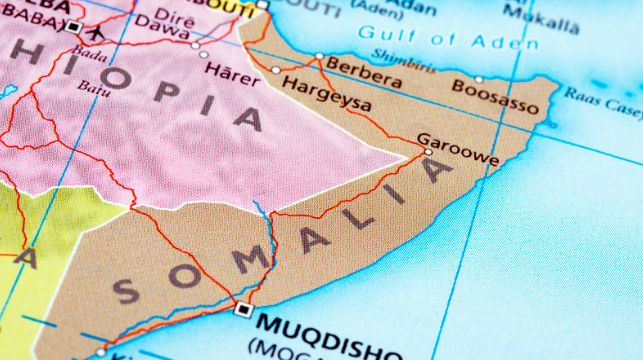
Somalia’s Supreme Court has ruled that President Hassan Sheikh Mohamud’s decision to remain in office for an additional year was unlawful, declaring that his four-year mandate expired in May 2026.
Amendments cannot apply retroactively
In a judgment delivered on Nov. 5, a five-judge panel rejected the government’s argument that constitutional amendments approved by parliament in March allowed the president and lawmakers to extend their terms from four to five years.
The judges ruled that the changes did not apply retroactively to officials already serving under the previous constitutional arrangements.
Elections ordered within 90 days
The court directed political leaders to agree on an electoral framework within 30 days and hold elections within 90 days. It also restricted the federal government to routine administrative functions while the country prepares for a vote.
The decision challenges the government’s existing timetable for parliamentary elections in April 2027 and a presidential election in May 2027.
Clash over the chief justice
The ruling came amid a separate confrontation over the judiciary. On Nov. 4, Mohamud announced the dismissal of Chief Justice Bashe Yusuf Ahmed and named former Chief Justice Ibrahim Idle Suleiman as his replacement.
The Supreme Court subsequently declared the dismissal null and void, saying the president lacked the constitutional authority to remove the chief justice unilaterally. It accused the presidency of attempting to obstruct the constitutional proceedings.
Presidency silent on the ruling
The presidency had defended the dismissal by citing complaints about the administration of justice and the need for judicial reform. However, it had not publicly responded to the Supreme Court’s rejection of the move or its ruling on the presidential term by Nov. 6.
Reports that government troops surrounded the court and that the chief justice was ordered to leave the premises have also emerged, although they have not been independently verified.
Wider political instability
The dispute adds to Somalia’s wider political instability, with opposition leaders and regional administrations, including Puntland and Jubaland, rejecting the government’s electoral arrangements.
The country has also experienced armed clashes linked to disagreements over the proposed voting system, while continuing to battle the al-Shabab insurgency.
The Supreme Court’s decision now places pressure on political leaders to reach an agreement before the 90-day election deadline.