The ruling ends one attempt to compel disclosure of the project’s proposed ownership and government investment arrangements, but separate legal disputes remain unresolved
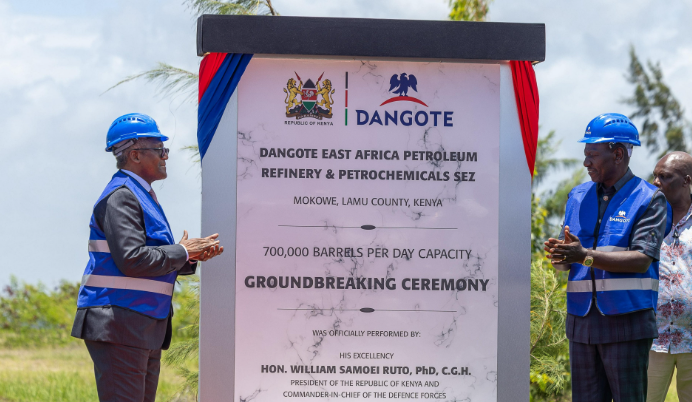
A Kenyan tribunal has dismissed a petition by the Consumers Federation of Kenya (COFEK) seeking greater disclosure of government involvement in Nigerian billionaire Aliko Dangote’s planned $16 billion oil refinery in Lamu County.
Tribunal says it lacks jurisdiction
In a decision dated Oct. 30, the Public-Private Partnerships Petition Committee ruled that COFEK had not demonstrated that the proposed refinery qualified as a public-private partnership (PPP). It therefore found that it lacked jurisdiction to order the disclosure of documents under the PPP framework.
What COFEK wanted disclosed
COFEK had asked the tribunal to review approvals relating to the project and require the government to release information about its proposed participation.
The organization sought details including the investment vehicle, shareholding structure, payment arrangements and evidence of public participation in the decision-making process.
Government stake still under discussion
The committee said the possibility of government ownership in a private company did not, by itself, make the development a PPP.
Treasury officials had told the committee that discussions about possible state investment were ongoing, while representatives of Dangote Group maintained that the refinery was a private commercial undertaking. The National Infrastructure Fund also said it had not made an investment decision.
A 700,000-barrel-a-day project
The proposed facility is designed to process up to 700,000 barrels of crude oil daily, with completion targeted for 2030.
The project, valued at approximately $16 billion, is expected to include associated industrial infrastructure and supply refined petroleum products to regional markets.
Other legal challenges remain
The tribunal’s decision does not settle other disputes surrounding the development. A separate legal challenge involving land rights and compensation claims by residents has continued.
Another case seeking disclosure of government commitments was reported to be scheduled for a court mention on Nov. 12.
The ruling therefore removes one legal challenge but does not amount to a blanket clearance of every aspect of the refinery project.