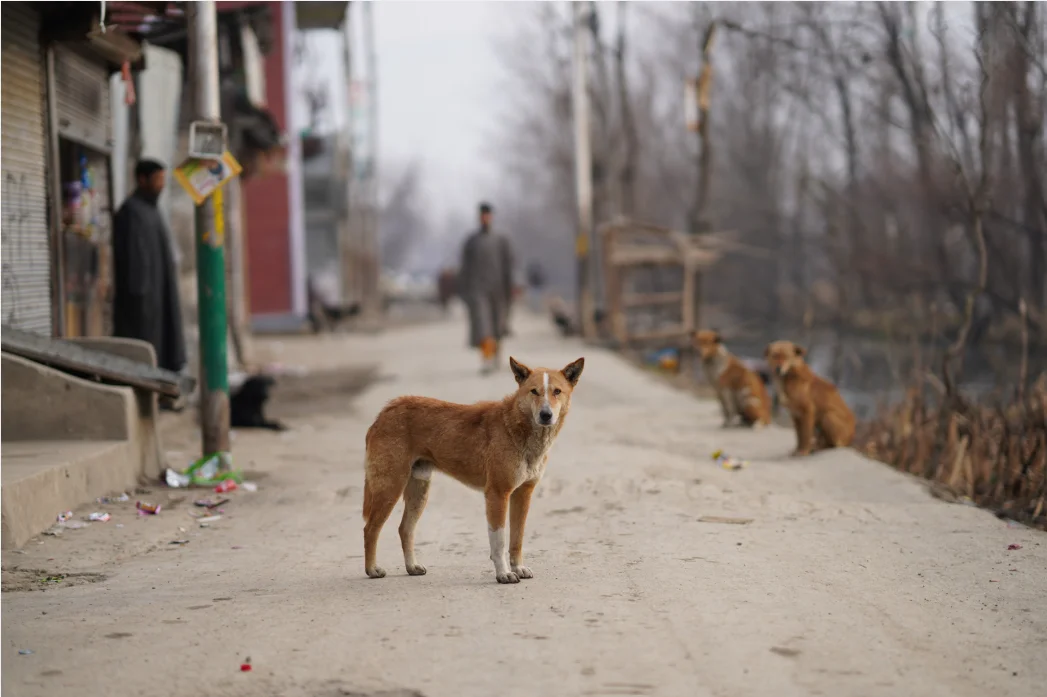
Hossana, Ethiopia (Running Africa) — A rabies outbreak in Hossana, a town in central Ethiopia, has triggered the mass killing of hundreds of dogs after the disease claimed the lives of three children and left 80 other people hospitalized, prompting an official investigation and condemnation from animal rights groups.
According to local reports, community groups instructed residents to kill their dogs or face arrest and fines of up to 50,000 Ethiopian birr (about $300), even if the animals had been vaccinated against rabies.
Witnesses said many dog owners were forced to kill their pets, with some animals reportedly being hanged or beaten to death, while others were surrendered to individuals carrying out the cull.
Local veterinarian Alaazar Ayele estimated that between 400 and 450 dogs were killed within just a few days. Authorities said roughly 70% of Hossana’s estimated 10,000 dogs had previously received rabies vaccinations.
Hossana Mayor Samuel Shigute denied that the mass killings were authorized by his administration, describing the actions as illegal. He said police and security personnel intervened to stop the killings within a day and have since launched an investigation to identify those responsible.
The incident has drawn sharp criticism from animal welfare advocates, who argue the killings violated Ethiopian laws prohibiting the cruel treatment and public killing of animals. They have called for those behind the campaign to be held accountable.
Rabies is a highly fatal viral disease that is typically transmitted through the bite or scratch of an infected animal, most commonly dogs. Once symptoms appear in humans, the disease is almost always fatal, making prompt vaccination and post-exposure treatment critical.
The outbreak has renewed attention on the need for stronger public health measures, animal vaccination program and coordinated disease surveillance to prevent future rabies outbreaks while protecting both human and animal welfare.