Scott briefly served as Zambia’s acting president in 2014, becoming Africa’s only white post-apartheid head of state.
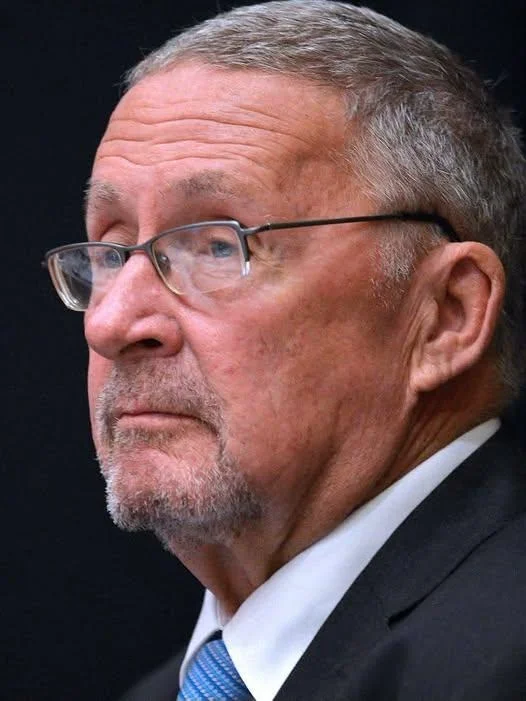
Lusaka, Zambia (Running Africa) — Former Zambian Vice President and Acting President Guy Scott has died at the age of 82 following a short illness, the Zambian government confirmed on Wednesday.
Scott died at his farm in Lusaka, bringing to a close a distinguished political career that made him one of Zambia’s most prominent leaders and one of the most distinctive figures in modern African politics.
A Historic Chapter in Zambia’s Political History
Born in Livingstone to Scottish parents, Scott served as Zambia’s vice president under President Michael Sata from 2011 until Sata’s death in October 2014.
He subsequently assumed the role of acting president, leading the country for nearly three months during the constitutional transition and becoming the first white leader of a democratically governed African nation in the post-apartheid era.
Although widely regarded as a potential presidential candidate, Scott was constitutionally barred from contesting the 2015 presidential election because Zambia’s Constitution required both parents of a presidential candidate to be Zambian by birth.
Legacy of Public Service

An agricultural economist by profession, Scott earned a reputation for his outspoken views, intellectual depth, and decades of service in Zambia’s political landscape.
Even after leaving office, he remained an influential commentator on governance, democracy, and national development, frequently contributing to public debate on the country’s political direction.
His career was marked by a willingness to challenge conventional thinking and engage openly on issues affecting Zambia and the broader African continent.
Nation Mourns Influential Statesman
Scott’s death comes just weeks before Zambia’s next general election, marking the passing of one of the country’s most recognizable political figures during a significant period in its democratic journey.
Tributes are expected from political leaders, former colleagues, and citizens who remember his contributions to Zambia’s governance and constitutional transition.
His legacy will be remembered for service, resilience, and as a unique chapter in the country’s modern political history.