Harare, Zimbabwe (Running Africa) — Zimbabwe’s state-owned power utility, ZESA, has restored electricity to most parts of the country following a nationwide blackout that disrupted homes, businesses and industries after a fault on a major transmission line destabilized the national grid.
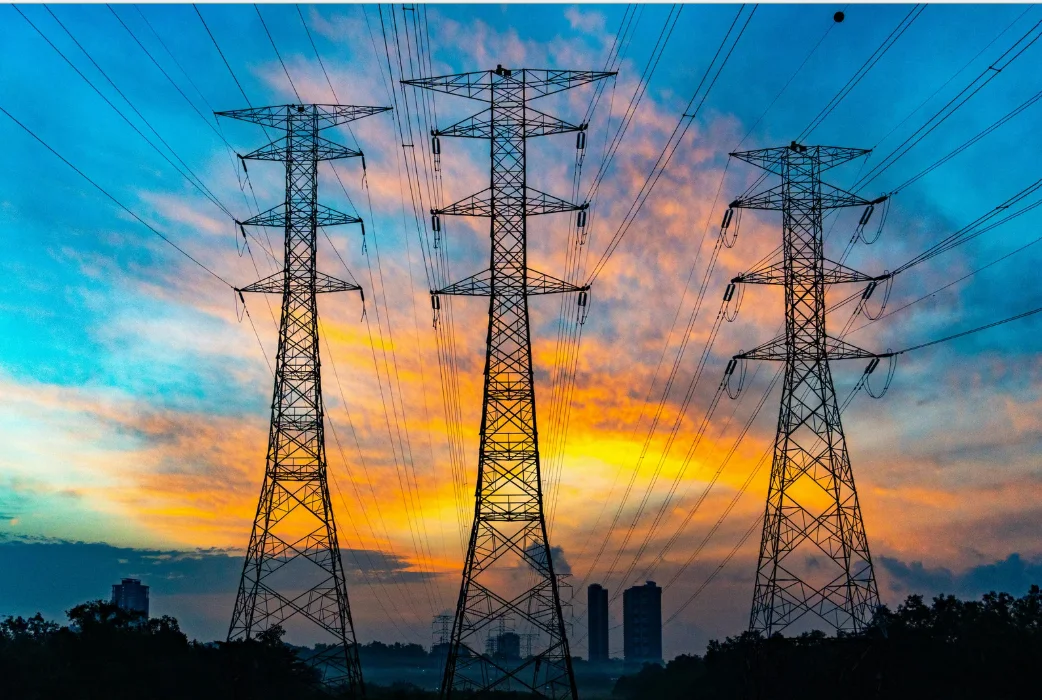
The widespread outage began on Monday evening when a failure on the Warren–Alaska 330-kilovolt transmission line interrupted power connections with neighboring countries, triggering instability across Zimbabwe’s electricity network.
According to ZESA, the disruption caused several local power generation units to automatically shut down as a safety measure, resulting in a nationwide loss of electricity supply.
Power was gradually restored within hours through a combination of imported electricity from South Africa’s Eskom, generation from the Kariba Hydro Power Station, power supplied by Mozambique’s Cahora Bassa Hydroelectric Plant, and three operational units at the Hwange Power Station.
ZESA said technical teams remain engaged in repair work at the Warren Substation, which supplies parts of Harare, while efforts continue to bring additional generation units back online and fully stabilize the country’s power system.
The blackout has once again exposed Zimbabwe’s long-standing energy challenges, including ageing electricity infrastructure, insufficient domestic generation capacity and persistent foreign currency shortages that have constrained the country’s ability to finance electricity imports.
Zimbabwe has experienced recurring power shortages in recent years, with prolonged load-shedding affecting households, businesses and key sectors such as manufacturing, mining and agriculture. The unreliable electricity supply has become a major obstacle to economic growth and industrial productivity.
As demand for electricity continues to rise, energy experts say sustained investment in transmission infrastructure, expanded power generation and stronger regional energy cooperation will be essential to improving grid reliability and reducing the likelihood of future nationwide blackouts.