Media organizations accuse global technology firms of exploiting Nigerian journalism without permission or compensation.
Abuja, Nigeria (Running Africa) — Nigeria has launched an investigation into several of the world’s largest technology companies over allegations that they have unfairly used locally produced news content and engaged in anti-competitive practices related to artificial intelligence (AI).
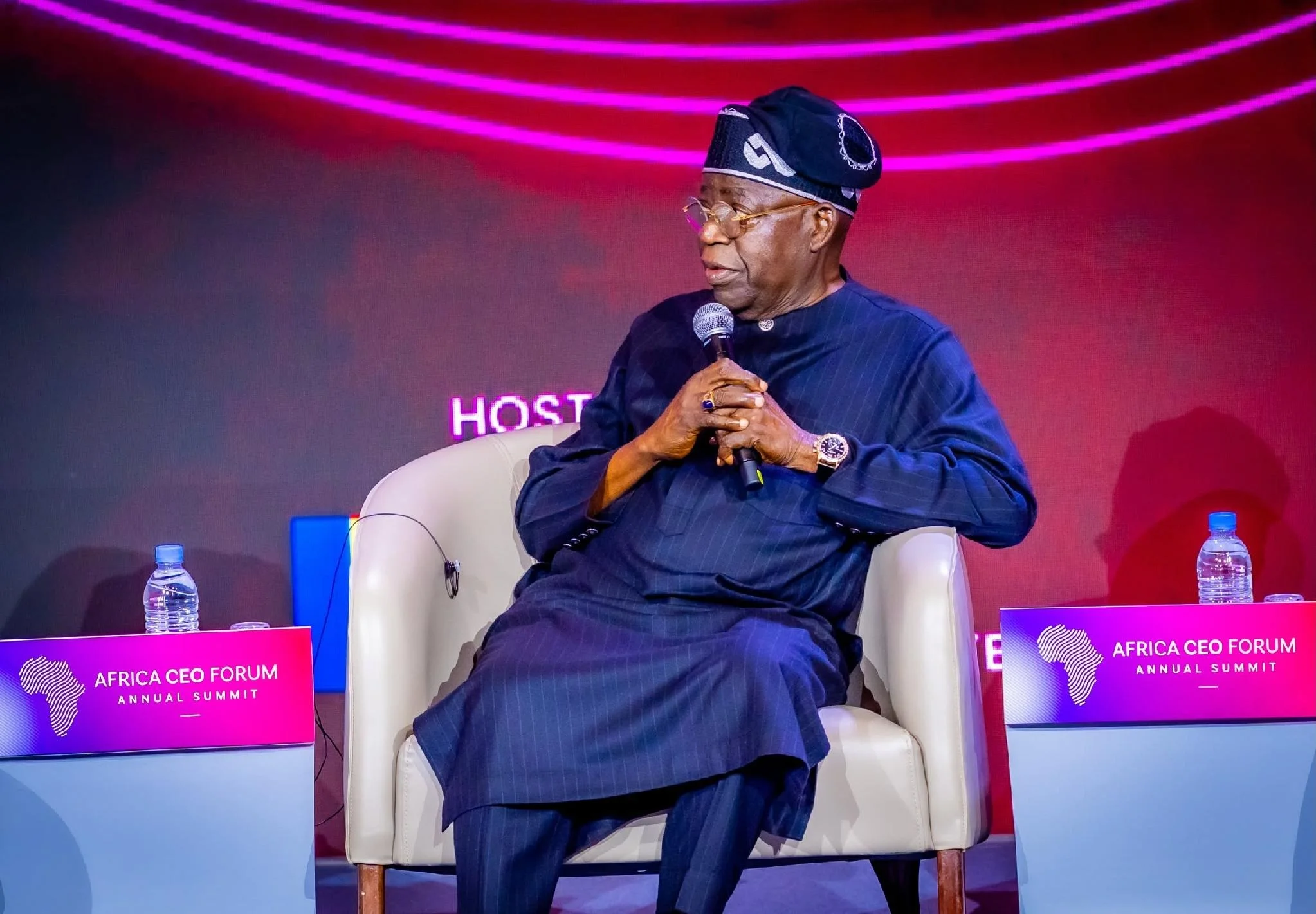
The inquiry was ordered by President Bola Tinubu, who directed the Federal Competition and Consumer Protection Commission (FCCPC) to investigate following complaints from the Nigerian Press Organization, which represents newspaper publishers, broadcasters, journalists’ unions, and digital media organizations.
According to the media coalition, technology platforms operated by Meta, Alphabet, and X, as well as developers of generative AI systems, have benefited from Nigerian journalism by displaying, distributing, and using locally produced news content to train artificial intelligence models without obtaining permission or providing fair compensation to publishers.
The FCCPC said its investigation will assess whether the companies abused their market dominance, violated Nigeria’s competition laws, or infringed intellectual property rights by using locally generated media content.
The regulator stressed that the investigation does not imply wrongdoing and that all companies involved will be given an opportunity to respond before any findings or enforcement actions are considered.
The move places Nigeria among a growing number of countries seeking to redefine the relationship between global technology companies and the news industry as AI rapidly transforms the digital media landscape.
Governments worldwide have intensified scrutiny of how technology platforms use journalistic content, with countries including Australia, Canada, and France introducing regulatory frameworks requiring major digital platforms to negotiate licensing agreements and compensation with news publishers.

Across Africa, South Africa has also pursued similar interventions through its competition authorities, reflecting increasing concerns over the sustainability of local journalism in the digital age.
Nigeria’s investigation could have significant implications for the future of AI regulation, digital competition, and media sustainability across Africa, as policymakers seek to ensure that local publishers are fairly compensated for the content that underpins many of today’s online platforms and artificial intelligence systems.