At least 10 people have died after a boat carrying refugees and migrants capsized in the Mediterranean Sea near Malta, underscoring the continuing dangers faced by those attempting the perilous journey from North Africa to Europe.
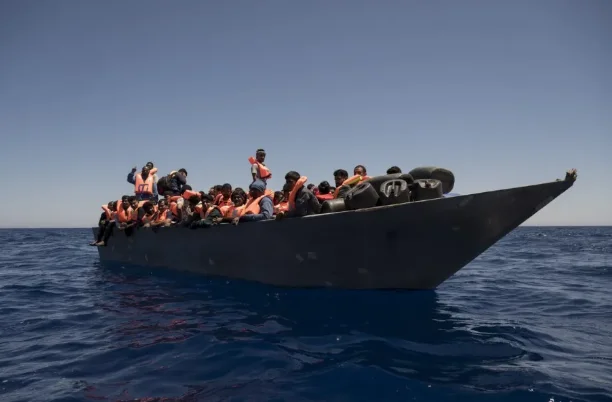
According to Italian coastguard officials, the vessel overturned approximately 45 nautical miles east-southeast of Malta after departing from Libya, a major departure point for migrants seeking to reach European shores.
A nearby fishing vessel rescued 48 survivors from the water, while search and rescue operations remain ongoing under the coordination of Maltese authorities.
Mediterranean Migration Route Remains One of the World’s Deadliest
The latest tragedy highlights the persistent risks associated with the Mediterranean migration route, which continues to claim hundreds of lives each year.
Data from the International Organization for Migration (IOM) shows that nearly 1,000 refugees and migrants have died or gone missing in the Mediterranean Sea since the start of the year, making it one of the world’s deadliest migration corridors.
Many migrants attempting the crossing depart from Libya, where political instability, economic hardship and human trafficking networks continue to drive irregular migration toward Europe.
Search and Rescue Efforts Continue Near Malta
Emergency response teams have continued search operations in the area amid fears that additional victims may still be missing.
Authorities have not yet released details about the nationalities of those onboard, while investigations into the circumstances surrounding the sinking are ongoing.
The incident is the latest in a series of maritime disasters involving overcrowded and unseaworthy vessels carrying migrants and asylum seekers across the Mediterranean.
EU Migration Policy Under Growing Scrutiny

The boat tragedy comes as the European Union advances new migration and asylum reforms aimed at tightening immigration controls.
Among the proposals under discussion are plans to establish so-called “return hubs” outside the European Union, where rejected asylum seekers could be transferred pending deportation to their countries of origin or designated third countries.
Supporters argue the measures could help manage migration flows more effectively, while critics have raised concerns about human rights protections and the treatment of asylum seekers.
Migration Tensions Rise in North Africa
The disaster also unfolds against a backdrop of growing migration-related tensions in North Africa.
In Libya, demonstrations have recently been held accusing international organizations of facilitating the settlement of undocumented migrants within the country. The protests reflect broader concerns over migration management and the role of international agencies in addressing population movements across the region.
As migration pressures continue to affect countries on both sides of the Mediterranean, humanitarian organizations have renewed calls for stronger search and rescue efforts, safer migration pathways and enhanced cooperation between African and European governments.
The latest loss of life serves as another reminder of the human cost of the ongoing Mediterranean migration crisis and the urgent need for lasting solutions to one of the world’s most complex humanitarian challenges.