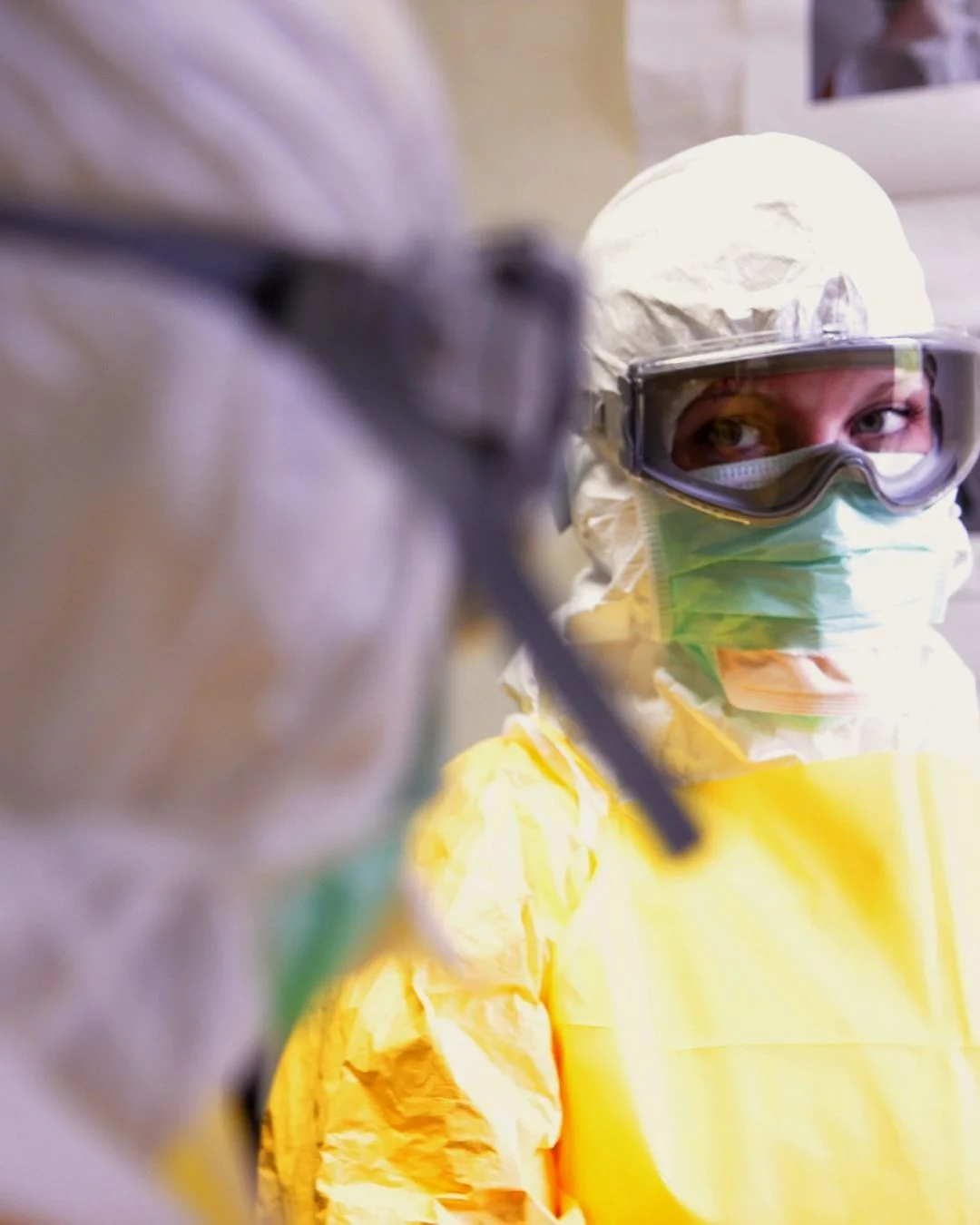
London, United Kingdom (Running Africa) — A humanitarian worker involved in the Ebola response in the Democratic Republic of Congo (DRC) has been medically evacuated to the United Kingdom following a potential healthcare-related exposure to the virus, British health authorities have confirmed.
The individual, who had been supporting efforts to contain the latest Ebola outbreak in the DRC, has not developed any symptoms and was transferred to the UK as a precautionary measure, according to the UK Health Security Agency (UKHSA).
Worker Placed in Isolation for Monitoring
The humanitarian worker is being monitored and assessed at a specialist London hospital, where they will remain in isolation throughout Ebola’s 21-day incubation period.
Health officials said the precautionary measures are designed to ensure early detection should symptoms develop while protecting healthcare workers and the wider public.
UK Says Public Risk Remains Low
The UK Health Security Agency emphazised that there are currently no confirmed Ebola cases in the United Kingdom and that the risk to the public remains very low.
Officials said established infection prevention and public health protocols were activated immediately following the worker’s arrival.
DR Congo Continues to Battle Ebola Outbreak
The evacuation comes as the Democratic Republic of Congo continues to battle an outbreak caused by the Bundibugyo strain of Ebola virus, one of the less common Ebola species.
According to the World Health Organization (WHO), the outbreak has recorded 2,423 confirmed cases and 967 deaths since mid-May, making it one of the country’s most significant public health emergencies in recent years.
Unlike the more common Zaire strain, the Bundibugyo strain currently has no approved vaccine, complicating efforts to contain transmission.
Ebola Remains a Serious Public Health Threat
Ebola virus disease spreads through direct contact with the bodily fluids of an infected person and can cause severe illness, including high fever, vomiting, diarrhea, internal bleeding and multiple organ failure.
The latest medical evacuation highlights the risks faced by frontline healthcare and humanitarian workers responding to infectious disease outbreaks, while underscoring the importance of international surveillance, rapid response measures and strict infection control protocols in preventing the spread of Ebola beyond affected regions.