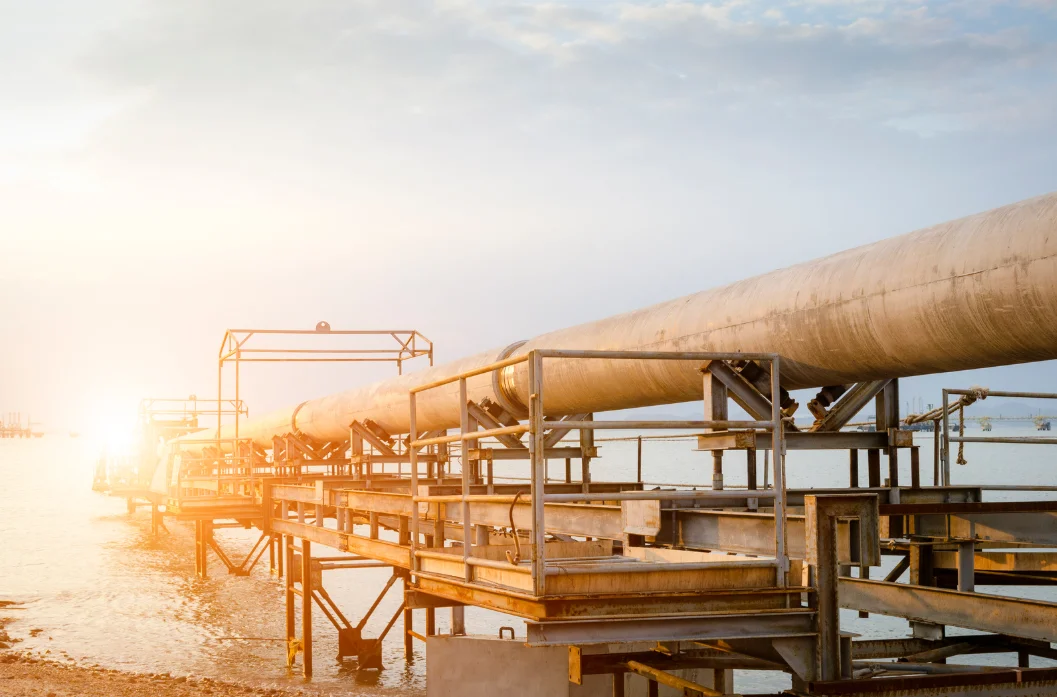
Freetown, Sierra Leone (Running Africa) — West African leaders have approved the $25 billion Nigeria–Morocco Atlantic Gas Pipeline, a landmark energy infrastructure project expected to transform regional energy access, strengthen economic integration and connect West African natural gas supplies to Europe’s gas network.
Stretching approximately 6,000 kilometers, the pipeline will transport Nigerian natural gas along Africa’s Atlantic coastline before linking with Morocco’s energy infrastructure and the European market.
Pipeline to Connect 13 West African Countries
The ambitious cross-border project will pass through 13 West African countries: Nigeria, Benin, Togo, Ghana, Côte d’Ivoire, Liberia, Sierra Leone, Guinea, Guinea-Bissau, The Gambia, Senegal, Mauritania and Morocco.
Once completed, the pipeline is expected to supply natural gas to nearly 400 million people and transport up to 30 billion cubic meters of gas annually, making it one of Africa’s largest energy infrastructure projects.
Construction Scheduled to Begin in 2028
Project developers plan to begin construction in 2028, with implementation taking place in multiple phases due to the scale and complexity of the development.
The initiative is being jointly led by the governments of Nigeria and Morocco, with support from the Economic Community of West African States (ECOWAS) and several international financial institutions.
Project Aims to Drive Economic Growth and Energy Access
Supporters say the Nigeria–Morocco Atlantic Gas Pipeline will improve energy security, expand access to affordable natural gas, stimulate industrialization, create thousands of jobs and accelerate regional economic integration.
The project is also expected to strengthen energy cooperation among participating countries while providing a new export route for African gas to international markets.
Financing and Security Remain Key Challenges
Despite broad regional backing, the pipeline faces significant hurdles, including securing long-term financing, ensuring political stability across participating countries and protecting critical infrastructure from security threats.
Nevertheless, advocates argue the project has the potential to reshape Africa’s energy landscape by increasing regional energy resilience, supporting sustainable economic development and enhancing the continent’s strategic role in the global energy market.
If completed as planned, the Nigeria–Morocco Atlantic Gas Pipeline will rank among the world’s longest offshore and onshore gas pipeline networks, reinforcing West Africa’s position as a key supplier in the international energy sector while expanding