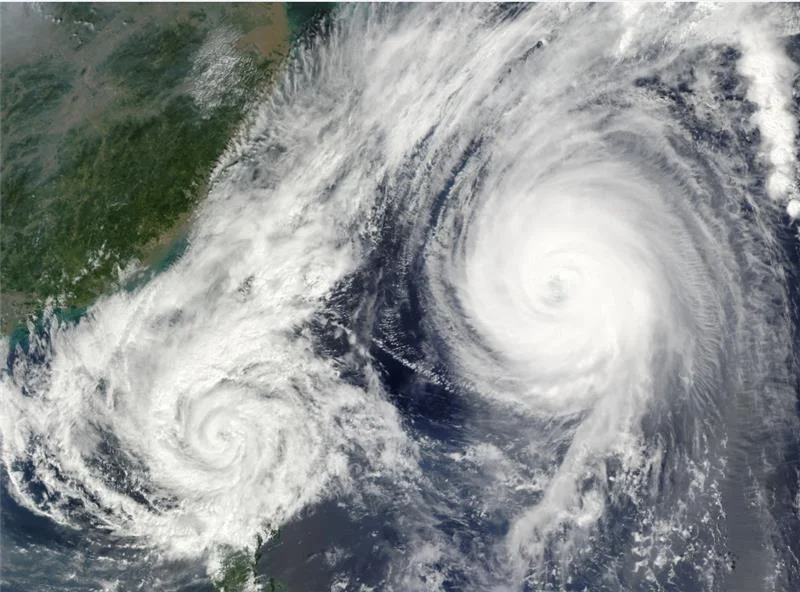
Nairobi, Kenya (Running Africa) — Humanitarian organizations are warning that a rapidly intensifying El Niño weather pattern could trigger severe flooding, disease outbreaks and worsening food insecurity across East Africa and parts of Asia, placing millions of vulnerable people at greater risk.
The International Rescue Committee (IRC) has identified Kenya, Uganda, Somalia, Bangladesh, Pakistan and Afghanistan among the countries most likely to experience the devastating effects of the climate phenomenon, many of which are already grappling with ongoing humanitarian emergencies.
According to the U.S. Climate Prediction Center, there is an 81% probability that the current El Niño will become one of the strongest events recorded since 1950, with its most significant impacts expected between October and December 2026.
East Africa Braces for Heavy Rainfall and Flooding
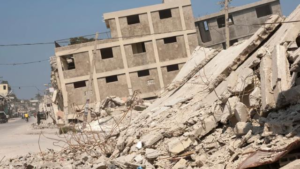
Climate forecasters expect above-average rainfall across much of East Africa later this year, increasing the risk of widespread flooding, displacement, crop destruction and damage to critical infrastructure.
In Somalia, flooding has already affected parts of Mogadishu, while humanitarian agencies continue to monitor the threat of additional rainfall across the Horn of Africa.
Beyond Africa, Bangladesh has reported fatalities and widespread displacement following floods and landslides that struck Rohingya refugee camps, highlighting the growing humanitarian risks linked to the evolving weather pattern.

Food Security Concerns Grow
The World Bank has warned that rice production could decline significantly in some of the hardest-hit regions of South Asia and East Africa, threatening food supplies and driving up the risk of hunger for millions of people.
Aid agencies say reduced agricultural output, combined with flooding and the spread of waterborne diseases, could deepen existing humanitarian crises across affected countries.
Calls for Early Action
Humanitarian organizations are urging governments, international partners and donors to strengthen disaster preparedness before El Niño reaches its expected peak later this year.
They are calling for investments in early warning systems, flood mitigation, emergency healthcare and food security program to help protect vulnerable communities and reduce the potential humanitarian impact of one of the strongest forecast El Niño events in decades.