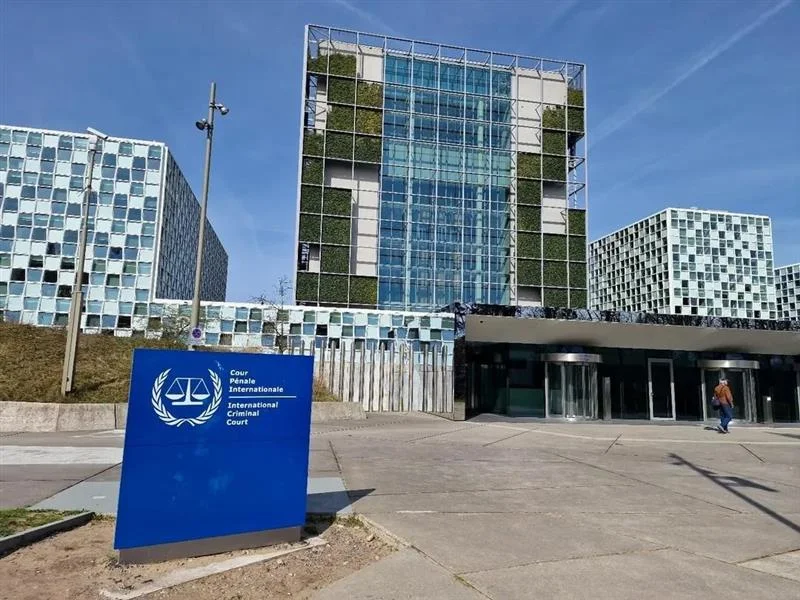
Niamey, Niger (Running Africa) — Niger has officially begun the process of withdrawing from the International Criminal Court (ICC), becoming the first of the three military-led Sahel nations to formally submit its exit request after jointly announcing plans to leave the court in 2025.
The Hague-based ICC confirmed it received Niger’s withdrawal instrument on June 18, setting the country’s departure date for June 2027. Until then, Niger will remain a state party to the Rome Statute and continue to be subject to the court’s jurisdiction for crimes committed before its withdrawal takes effect.
Niger, alongside Mali and Burkina Faso, announced its intention to leave the ICC in September 2025, accusing the international tribunal of acting as a tool of “neo-colonial repression.” The three governments argued that global justice institutions have disproportionately focused on African countries while failing to hold major world powers to the same standards.
The move reflects a broader shift across the Sahel, where military-led governments that seized power through coups between 2020 and 2023 have increasingly distanced themselves from traditional Western partners. The juntas have pursued policies aimed at strengthening national sovereignty and reshaping their diplomatic, security, and international alliances.
In response, the ICC expressed regret over Niger’s decision, stressing the importance of international cooperation in investigating and prosecuting serious crimes, including war crimes, crimes against humanity, and genocide.
Niger’s withdrawal comes amid worsening insecurity across the Sahel, where jihadist groups linked to Al-Qaeda and the Islamic State continue to carry out attacks across the region. Both armed groups and state security forces have faced allegations of human rights violations, fueling debate over the balance between national sovereignty and international accountability.
As Niger moves toward its formal exit, the decision underscores a growing geopolitical realignment in the Sahel, with military governments increasingly challenging the role of international institutions and seeking greater control over their domestic and foreign affairs.