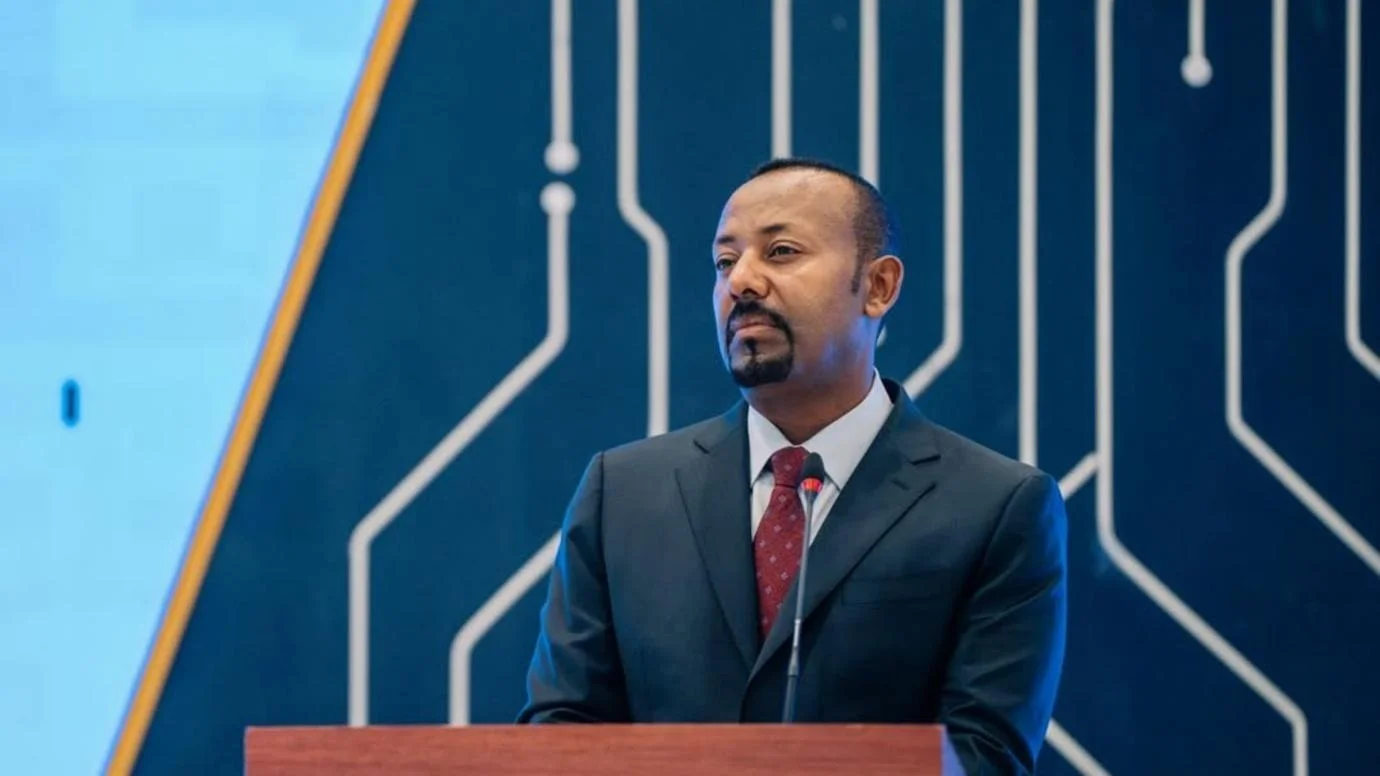
Addis Ababa, Ethiopia (Running Africa) — Ethiopia’s ruling Prosperity Party has secured a commanding victory in the country’s latest parliamentary elections, winning 438 of the 501 seats contested and further consolidating the political position of Prime Minister Abiy Ahmed.
The election outcome delivers another strong mandate for the governing party, but it also highlights the complex security and political challenges that continue to shape Ethiopia’s future.
Voting took place against a backdrop of insecurity in several regions, with armed conflicts disrupting electoral activities in parts of Amhara and Oromia. Authorities reported that some polling stations remained closed due to violence linked to armed groups, including Fano militias and the Oromo Liberation Army.
Both groups have rejected the election results and continue to advocate for greater regional autonomy, underscoring persistent tensions between the federal government and regional actors.
The election was also notable for the absence of the Tigray region, which was excluded from the vote as it continues to recover from the devastating conflict that ended with a peace agreement in 2022. Relations between the federal government and the Tigray People’s Liberation Front (TPLF) remain strained, with both sides accusing each other of failing to fully implement aspects of the peace deal.
Recent reports of military mobilization and forced recruitment in Tigray have raised concerns among analysts and international observers about the possibility of renewed instability in northern Ethiopia.
Beyond domestic tensions, regional dynamics remain fragile. Relations between Ethiopia and Eritrea have deteriorated in recent months, fueling concerns that any resurgence of conflict in Tigray could have broader implications for security across the Horn of Africa.
While the Prosperity Party’s electoral victory reinforces its political dominance, the election has also renewed debate about inclusivity, political participation, and democratic governance. Opposition participation was limited, and critics argue that insecurity, regional exclusions, and election boycotts affected the competitiveness of the process.
As Ethiopia enters a new political chapter, the government faces the challenge of balancing electoral legitimacy with efforts to address ongoing insurgencies, strengthen peace agreements, and foster national unity in one of Africa’s most strategically important nations.