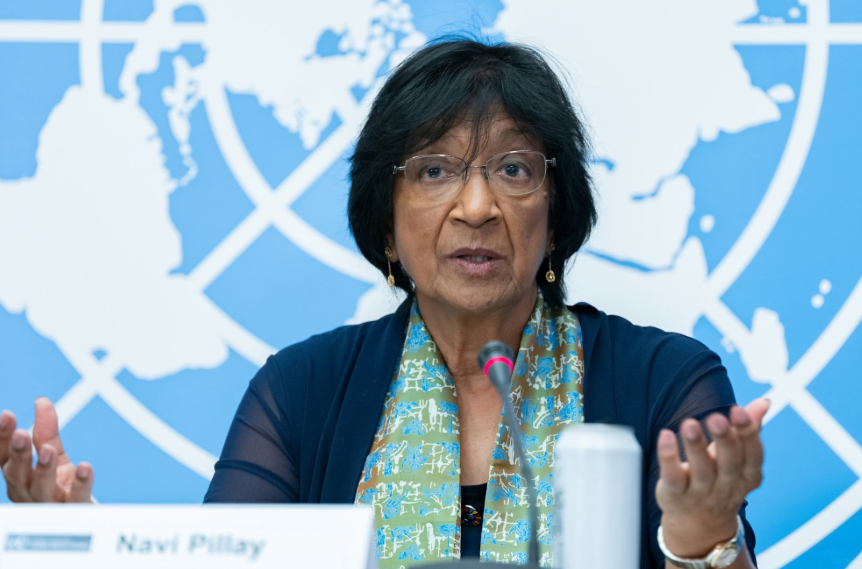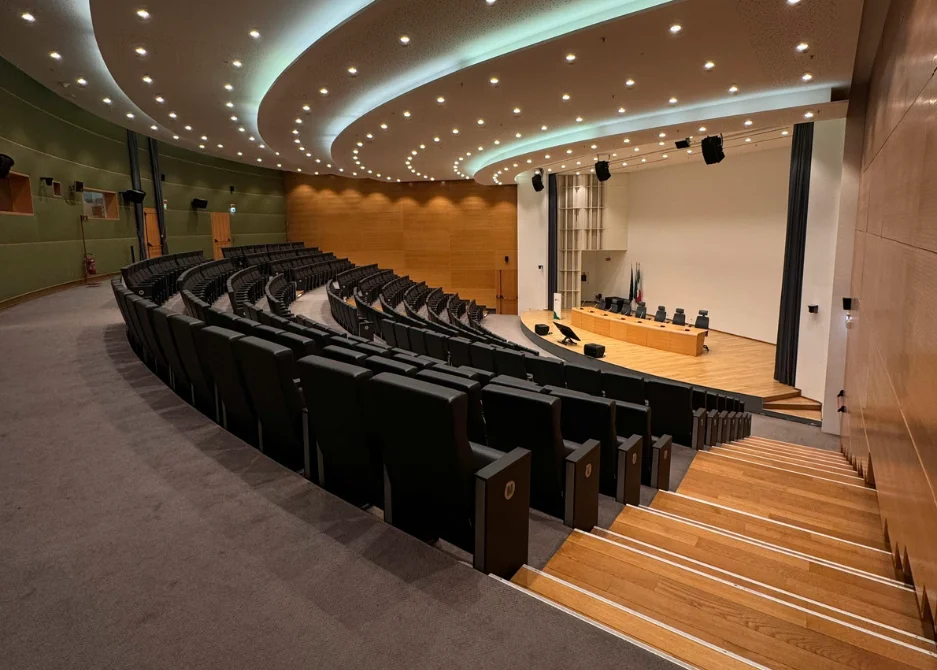
Geneva, Switzerland (Running Africa) — The Democratic Republic of Congo and the M23 rebel group have agreed on a new roadmap aimed at advancing peace negotiations and addressing repeated ceasefire violations in eastern DRC after five days of talks in Switzerland.
The agreement represents the latest attempt to move the parties towards a comprehensive peace deal after previous diplomatic efforts failed to bring a lasting end to fighting in the mineral-rich east of the country.
Under the new roadmap, the Congolese government and M23 have committed to continuing negotiations, establishing mechanisms to monitor progress and investigating alleged violations of existing ceasefire commitments.
However, significant disagreements remain, including over sanctions against M23, the release of detainees and the timing of political reforms.
DR Congo and M23 Reach New Roadmap in Switzerland
The roadmap emerged after five days of negotiations intended to revive momentum towards ending one of Central Africa’s most serious ongoing conflicts.
Both sides have pledged to continue talks aimed at reaching a broader political settlement and resolving outstanding disputes.
The agreement also provides for mechanisms to assess progress and investigate allegations of ceasefire violations, an issue that has repeatedly undermined previous attempts to halt the fighting.
Whether those mechanisms can be effectively implemented will be crucial to determining if the latest diplomatic push produces results on the ground.
New Agreement Builds on Doha Peace Efforts
The Switzerland roadmap builds on previous diplomatic initiatives between the DR Congo government and M23.
Those efforts included a Declaration of Principles signed in Doha on July 19, 2025, followed by a broader peace framework in November.
The agreements were intended to establish a path towards de-escalation and eventual conflict resolution.
However, fighting continued in eastern Congo, with both sides accusing the other of failing to respect ceasefire commitments.
The repeated breakdowns have created skepticism over whether diplomatic agreements can translate into lasting security improvements for civilians.
Sanctions and Prisoner Releases Remain Major Obstacles
Despite progress in Switzerland, several politically sensitive issues remain unresolved.
The parties continue to disagree over sanctions imposed against M23, the release of detainees and the timetable for political reforms.
Those disputes could become major obstacles as negotiations move towards the more difficult task of producing a comprehensive settlement.
The ability of both sides to compromise on these issues will likely determine whether the roadmap becomes a meaningful step towards peace or joins a series of agreements weakened by continued fighting.
M23 Capture of Goma Escalated Eastern Congo Conflict
The conflict entered a more dangerous phase in January 2025, when M23 launched a major offensive and captured strategically important territory, including Goma, one of eastern Congo’s largest cities.
The offensive displaced hundreds of thousands of people and intensified an already severe humanitarian crisis.
Eastern DRC has endured decades of conflict involving armed groups, competition over territory and resources, ethnic tensions and regional rivalries.
M23’s resurgence has become one of the most significant security challenges facing the Congolese government.
Rwanda-DR Congo Tensions Remain Central to M23 Crisis
The conflict is also closely connected to deteriorating relations between DR Congo and neighboring Rwanda.
Kinshasa accuses Kigali of providing military support to M23, allegations that Rwanda denies.
The dispute has transformed the rebellion from a domestic security crisis into a wider regional confrontation, increasing fears that continued escalation could destabilize other parts of the Great Lakes region.
Resolving tensions between the two neighboring governments is therefore widely regarded as an important part of any durable settlement in eastern Congo.
Can the Latest M23 Peace Roadmap End the Fighting?
The new Switzerland roadmap provides another diplomatic opening after repeated efforts to end the conflict failed to produce lasting peace.
Its immediate significance will depend on whether the Congolese government and M23 respect their commitments, establish credible monitoring mechanisms and make progress on the major political disputes that remain unresolved.
Previous agreements have shown that signing a framework is considerably easier than implementing one.
For communities across eastern Congo, where years of fighting have brought displacement, insecurity and humanitarian suffering, the measure of success will ultimately be whether negotiations produce a sustained reduction in violence.
After five days of talks in Switzerland, DR Congo and M23 have another roadmap towards peace. The challenge now is ensuring that this agreement changes conditions on the ground where previous deals did not.