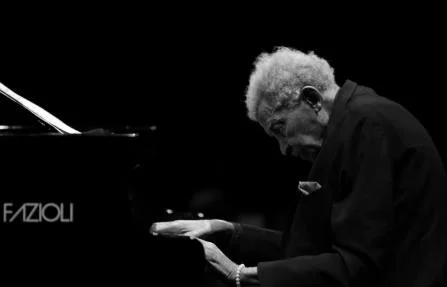
Cape Town, South Africa (Running Africa) – South African jazz icon Abdullah Ibrahim, whose music became a powerful soundtrack to the anti-apartheid struggle, has died at the age of 91.
His family confirmed that the celebrated pianist, composer, and cultural figure passed away peacefully in Germany following a short illness, surrounded by loved ones.
Born Adolph Johannes Brand in Cape Town in 1934, Ibrahim began playing the piano at the age of seven and went on to build one of the most influential careers in African music history. Performing initially under the name Dollar Brand, he later converted to Islam in the late 1960s and adopted the name Abdullah Ibrahim.
Widely regarded as one of Africa’s greatest jazz musicians, Ibrahim earned international acclaim for blending traditional Cape Town sounds with modern jazz, creating a distinctive musical style that resonated across generations and continents.
His most celebrated work, the 1974 composition Mannenberg, became an enduring symbol of resistance during South Africa’s apartheid era. The song evolved into an unofficial anthem of the anti-apartheid movement, capturing both the hardships and resilience of a nation fighting for freedom.
Ibrahim’s musical journey included a groundbreaking stint with the pioneering jazz ensemble the Jazz Epistles, alongside fellow South African legend Hugh Masekela. As apartheid tightened its grip on the country, the group disbanded and Ibrahim entered exile in Switzerland.
It was there that his extraordinary talent caught the attention of jazz giant Duke Ellington, who helped introduce the South African pianist to audiences in the United States and further elevated his global profile.
Paying tribute, Cyril Ramaphosa described Ibrahim’s music as a reflection of both the struggles and aspirations of South Africa, praising his immense contribution to the country’s cultural identity and artistic legacy.
Ibrahim’s final public performance took place earlier this year at the Cape Town International Jazz Festival, bringing a remarkable eight-decade career to a close.
His passing marks the end of an era for African jazz, but his music and influence will continue to inspire generations of artists and audiences around the world.