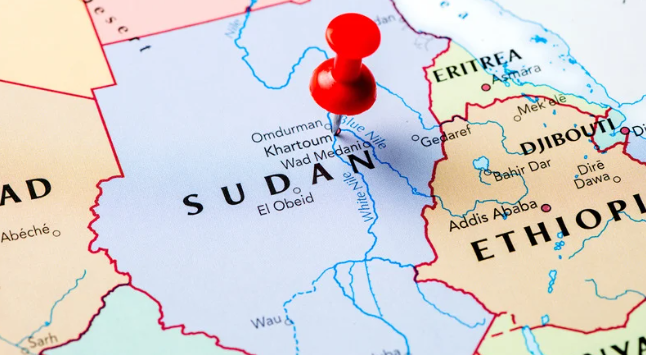
Somalia’s Omar Artan was turned away at Miami International Airport days before the FIFA World Cup kicks off.
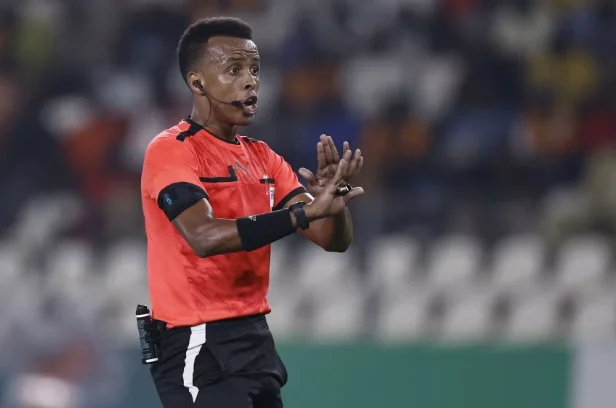
Somali referee Omar Abdulkadir Artan has been removed from the FIFA World Cup 2026 officiating roster after being denied entry into the United States, ending what would have been a historic appearance at football’s biggest tournament.
FIFA confirmed that Artan’s exclusion from the World Cup officiating list followed an immigration decision by US authorities at Miami International Airport. The governing body stated that entry and visa decisions fall under the jurisdiction of host governments and cannot be overturned by FIFA.
The development marks a major setback for Somali football. Artan, who was named CAF Male Referee of the Year in 2025, had been on course to become the first Somali official to referee matches at a FIFA World Cup finals.
According to a senior adviser at Somalia’s Ministry of Youth and Sports, Artan was travelling on a diplomatic passport when he was refused entry into the United States.
US Travel Restrictions Impact World Cup Participation
The incident has renewed attention on US travel restrictions affecting citizens from dozens of countries ahead of the FIFA World Cup 2026, which will be jointly hosted by the United States, Canada and Mexico.
Somalia is among 39 nations reportedly affected by travel measures introduced under the Trump administration. The restrictions have raised concerns about how immigration policies could impact participation in global sporting events, including football’s premier tournament.
Beyond officials, the policy is also expected to affect supporters from several World Cup-qualified countries, including Côte d’Ivoire, Senegal, Haiti and Iran, potentially limiting fan attendance at matches held in the United States.
Concerns Over Access to the 2026 FIFA World Cup

The case has sparked wider debate about accessibility and participation at the FIFA World Cup 2026, particularly for athletes, officials and supporters from countries facing travel restrictions.
Iran’s involvement has attracted particular attention, with reports suggesting that members of the national team have been instructed to enter and leave the United States only on match days as part of special travel arrangements.
For Artan, the decision brings an abrupt end to a journey that had become a source of pride for Somali football. Widely regarded as one of Africa’s top referees, his rise through the ranks of continental and international football had been viewed as a landmark achievement for the Horn of Africa nation.
As preparations continue for the expanded 2026 FIFA World Cup, the incident highlights the growing intersection between global sport, immigration policy and international diplomacy, with questions remaining over how travel restrictions could affect the tournament’s inclusivity and global reach.