Copyright authorities have warned that cloned voices and AI-generated songs are putting artists’ rights and cultural heritage at risk.
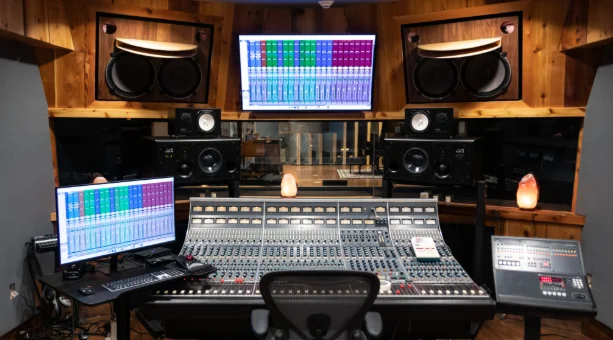
Madagascar’s music industry has sounded the alarm over the growing use of artificial intelligence (AI) to clone artists’ voices, alter existing songs and generate new music without the consent of copyright holders, raising fresh concerns about intellectual property rights in Africa’s creative sector.
The warning was issued by the Malagasy Copyright Office, which said the rapid expansion of AI-generated music presents a significant challenge to artists, composers and rights holders whose work may be used without authorization.
As AI tools become increasingly accessible, concerns are mounting that musicians could lose control over their creative content, with some technologies capable of replicating voices, remixing songs and producing entirely new tracks based on copyrighted material.
Madagascar Copyright Office Warns Against Unauthorized AI Use
The Malagasy Copyright Office has urged artists and creators to report suspected copyright infringements through the appropriate legal channels, stressing the need to protect intellectual property rights as artificial intelligence continues to reshape the global music industry.
Officials warned that the unauthorized use of artists’ work could undermine creative ownership and threaten livelihoods across Madagascar’s music ecosystem.
The issue mirrors wider global debates over the role of AI in creative industries, where questions around copyright protection, licensing and fair compensation remain unresolved.
Global Concerns Over AI and Copyright Protection
The concerns raised in Madagascar reflect broader warnings from the International Confederation of Societies of Authors and Composers (CISAC), which has argued that creators risk losing income if AI developers continue to train models using copyrighted works without proper compensation.
Industry stakeholders have increasingly called for stronger regulations to ensure that musicians, songwriters and other rights holders are fairly rewarded when their content contributes to AI-generated outputs.
Broadcasters Urged to Strengthen Oversight
Authorities have also called on broadcasters and digital content platforms to implement stricter editorial controls over AI-generated content. The move is aimed at preventing the unauthorized use of artists’ voices, songs and creative works across radio, television and online platforms.
Experts believe greater oversight will be critical as AI-generated music becomes more sophisticated and difficult to distinguish from human-created content.
AI Still Faces Challenges in African Music and Culture

Despite rapid technological advances, experts note that many AI-generated outputs remain imperfect, particularly when dealing with African languages, cultural references and traditional music styles.
Most artificial intelligence models have been trained primarily on Western datasets, resulting in limitations when interpreting the linguistic diversity and cultural nuances that define African music.
As the use of AI in music continues to expand, Madagascar’s creative industry is joining a growing number of artists and rights organizations worldwide calling for stronger copyright protections and clearer regulations to safeguard original works in the digital age.