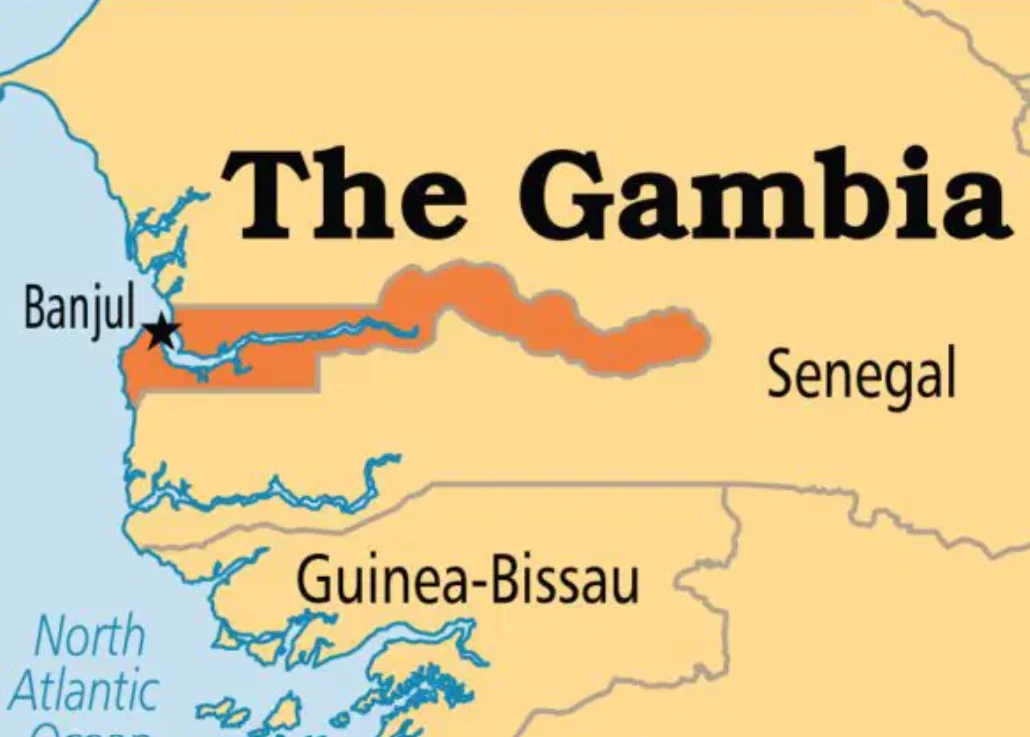
Banjul, Gambia (Running Africa) — Protesters took to the streets across parts of The Gambia overnight, burning tires and erecting barricades as anger intensified over prolonged electricity and water cuts that have disrupted daily life across the West African nation.
Police used tear gas to disperse crowds in several locations, including near President Adama Barrow’s official residence, according to residents and witnesses.
The unrest comes just months before a presidential election expected in December, when Barrow is seeking a third term.
Gambia Power Cuts Spark Protests in Banjul
In and around the capital, Banjul, demonstrators set tires alight and blocked roads while chanting slogans demanding political change.
Some residents say electricity blackouts have lasted as long as 48 hours, fueling growing frustration over the reliability of essential services.
The demonstrations also spread to Farato, where protesters gathered outside the residence of Vice President Mohammed B.S. Jallow and damaged banners at an office belonging to Barrow’s ruling National People’s Party.
In the Westfield area, resident Ousainu Jammeh said he joined the demonstrations after tear gas entered his home.
By early Tuesday morning, the protests had subsided, with young people helping extinguish fires and remove barricades. Traffic in Banjul had returned to normal.
NAWEC Blames Heat and Rising Electricity Demand
The National Water and Electricity Company (NAWEC) had warned in August that unusually high temperatures were driving an unexpected surge in electricity demand during peak periods.
The utility also reported a technical problem affecting a major power-generating unit on the import side.
NAWEC said the problems would require load shedding in several parts of The Gambia, but did not provide specific dates for the disruptions.
The company had not responded to Reuters’ request for comment on Tuesday.
Power Crisis Adds Pressure Ahead of Gambia Election
The protests could add political pressure on Barrow as the country approaches its December presidential election.
Barrow was scheduled to visit NAWEC facilities on Tuesday morning before addressing the nation at 8 p.m. local time.
The demonstrations underline growing public frustration over electricity shortages and basic services, turning The Gambia’s power crisis into an increasingly significant political issue ahead of the vote.
For the government, restoring reliable electricity may now be about more than keeping the lights on — it could also shape public sentiment as Gambians prepare to return to the polls.