President William Ruto says foreign investors should create jobs and expand industries rather than compete with Kenyans in small-scale trade.
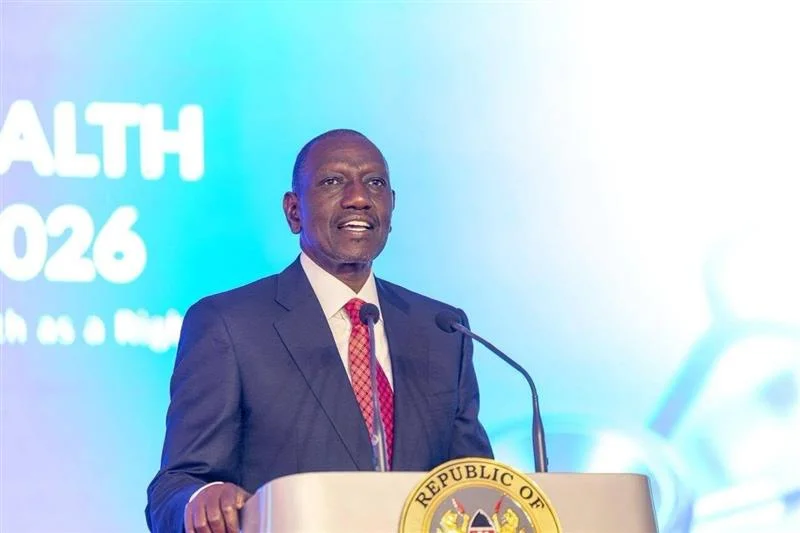
Nairobi, Kenya (Running Africa) — Kenyan President William Ruto has directed authorities to move towards restricting foreign nationals from operating certain small businesses and informal trading activities, arguing that those opportunities should primarily benefit Kenyan entrepreneurs.
Speaking to small-scale traders at State House in Nairobi, Ruto said foreigners involved in activities such as hawking and running small retail shops should leave those sectors.
The president also instructed his government to expedite legislation to reserve specified areas of Kenya’s informal economy for citizens.
Ruto stressed that Kenya would remain open to foreign investors but said international businesses should focus on larger investments, manufacturing, and job creation rather than competing directly with small-scale Kenyan traders.
Ruto Seeks Restrictions on Foreign Traders in Kenya
The directive could lead to significant changes in the rules governing foreign participation in Kenya’s informal economy.
Ruto argued that small-scale business opportunities should be protected for Kenyan citizens, particularly traders who depend on informal commerce for their livelihoods.
His remarks specifically highlighted activities such as street hawking and small retail businesses.
The government is now expected to develop legal and regulatory measures determining which sectors could be reserved for Kenyans and how any restrictions would be implemented.
Until those measures are formally adopted, Ruto’s directive should not be treated as a blanket legal ban already in force.
Kenya Says Foreign Investment Will Remain Welcome
Ruto sought to distinguish between small-scale foreign traders and international investors bringing capital into the Kenyan economy.
He said Kenya would continue welcoming foreign businesses that invest in manufacturing, production, and job creation.
The administration’s position is that larger foreign investments can contribute to economic growth, while informal trading opportunities should provide greater benefits to local entrepreneurs.
Any new regulations will need to establish where the government draws the line between protected small businesses and foreign investment that remains encouraged.
Foreign Nationals Active in Kenya’s Informal Economy
Foreign nationals, including migrants and refugees, participate in several areas of Kenya’s informal economy.
These include retail, salons, construction, and street trading, among other activities.
That means restrictions could have consequences beyond commercial policy, particularly for communities that depend on informal work for income.
The details of any legislation, including who would be covered and whether exemptions would apply, will therefore be important in determining its wider impact.
EAC Integration and Refugee Rights Could Shape Debate
The proposed restrictions could also prompt debate over Kenya’s regional and international obligations.
Kenya hosts a substantial refugee population, while the East African Community (EAC) promotes regional economic integration and the movement of people, workers, and businesses among participating states under applicable agreements.
Any legislation restricting foreign participation in particular sectors would consequently need to operate within Kenya’s existing legal framework and relevant regional commitments.
Kenya Government Expected to Develop New Trading Rules
Ruto’s directive places the next responsibility on government agencies and lawmakers to translate his proposal into specific rules.
Key questions include which businesses would be reserved exclusively for Kenyan citizens, how authorities would enforce the restrictions, and how existing foreign-owned businesses would be affected.
For now, the president has set out the policy direction: Kenya will continue courting foreign investment while seeking to reserve parts of its small-business and informal trading economy for Kenyan citizens.
The eventual legislation will determine how far those restrictions extend and what they mean for foreign traders, refugees, and regional businesses operating in Kenya.