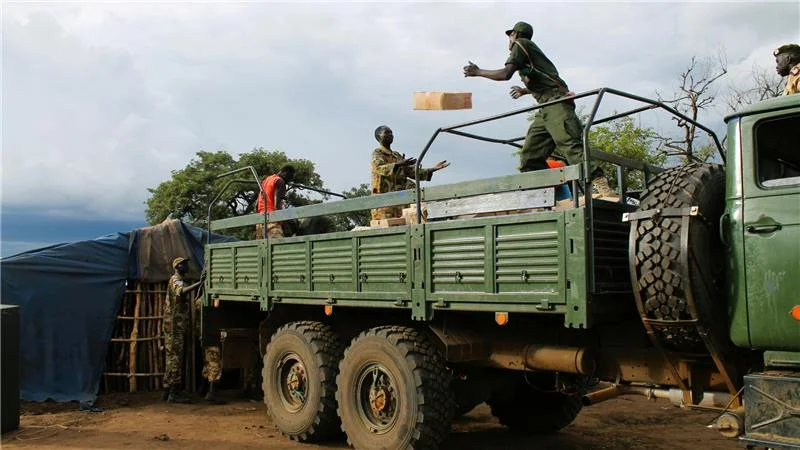
Khartoum, Sudan (Running Africa) — Sudan’s military is facing growing scrutiny after welcoming former members of the paramilitary Rapid Support Forces (RSF), including senior commander Ali Rizkallah, into its ranks as the country’s devastating civil war continues.
The move is being presented by government and military officials as a strategic effort to weaken the RSF and strengthen the army’s position in a conflict that has raged since April 2023. However, the decision has sparked concern among survivors, human rights advocates, and civil society groups who fear that individuals accused of serious abuses could evade accountability by switching sides.
The war between the Sudanese Armed Forces and the RSF has triggered one of the world’s worst humanitarian crises, leaving hundreds of thousands dead or displaced and devastating large parts of the country. Some of the most severe violence has been reported in the Darfur region, where RSF fighters have faced allegations of attacks on civilians, mass displacement, and other human rights violations.
For many survivors, the integration of former RSF commanders into the military raises difficult questions about justice. Victims and community leaders argue that accountability should remain a priority regardless of shifting military alliances.
Among those expressing concern are survivors who say they endured raids, violence, and sexual abuse during the conflict. Many believe that any reconciliation process must be accompanied by credible investigations into alleged war crimes and abuses committed by all parties to the conflict.

Some defectors have publicly stated that they are willing to cooperate with investigations and face legal proceedings if evidence links them to criminal acts. However, legal experts note that meaningful accountability remains difficult amid ongoing fighting, weakened institutions, and limited access to affected areas.
Analysts suggest the Sudanese army’s strategy is partly aimed at exploiting internal divisions within the RSF, including tensions among different ethnic and tribal factions. By encouraging defections, military leaders may hope to weaken the paramilitary group’s cohesion and accelerate gains on the battlefield.
While the approach could provide short-term military advantages, observers warn it also risks deepening social divisions and fueling resentment among communities that feel justice is being sacrificed for political and military expediency.
As Sudan’s conflict enters another year, calls are growing for a comprehensive transitional justice framework that addresses the grievances of victims, investigates alleged atrocities, and lays the groundwork for long-term peace and reconciliation. Many experts argue that sustainable stability will depend not only on military outcomes but also on ensuring accountability for crimes committed throughout the war.