Accra, Ghana (Running Africa) — African and Caribbean leaders have renewed calls for reparations and a formal apology from countries that profited from the transatlantic slave trade, arguing that the economic and social consequences of slavery and colonialism continue to shape inequalities across the Global South.
The appeal emerged from a high-level conference in Accra, where delegates endorsed a 19-point reparations framework that includes debt relief, the return of stolen cultural artefacts, investment in development initiatives, and the establishment of a global reparations fund.
Participants stressed that while current generations are not personally responsible for historical atrocities, governments and institutions that benefited from slavery have a moral obligation to address its enduring impact.
The renewed campaign follows a recent United Nations resolution recognizing slavery and the transatlantic slave trade as crimes against humanity. Although the resolution is not legally binding, supporters say it strengthens the case for international dialogue on reparative justice and historical accountability.
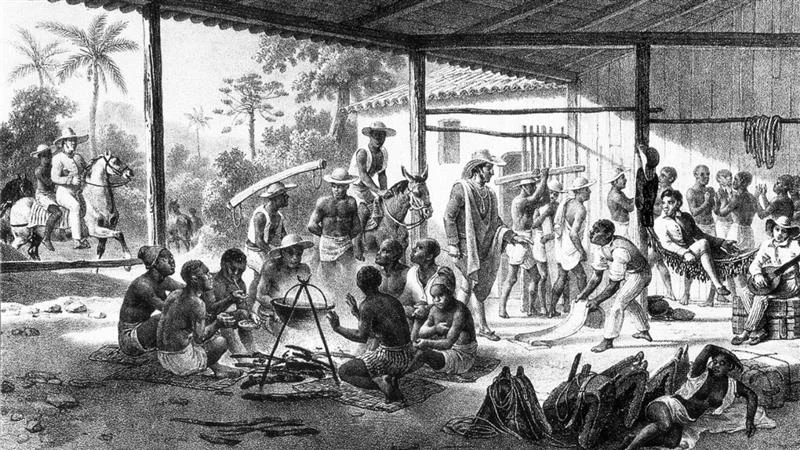
Advocates argue that the transatlantic slave trade, which operated between the 15th and 19th centuries, forcibly removed an estimated 12 to 15 million Africans from the continent and generated vast wealth for European colonial powers and economies in the Americas. They contend that the long-term consequences of slavery and colonialism continue to contribute to economic disparities, underdevelopment, and social inequalities across Africa and the Caribbean.
A central issue raised at the conference was the historical reality that compensation paid during the abolition of slavery often went to slave owners rather than formerly enslaved people. Delegates noted that descendants of enslaved Africans have never received direct compensation for the injustices suffered by their ancestors.
Countries such as the United States and the United Kingdom have consistently rejected demands for reparations, maintaining that there is no legal basis for compensating present-day populations for actions carried out centuries ago.
The debate over reparations remains one of the most complex and sensitive issues in international relations, intersecting questions of history, justice, economic development, and global inequality. However, leaders at the Accra gathering said they intend to continue building a coordinated African-Caribbean movement aimed at advancing the conversation on reparatory justice on the global stage.
As calls for accountability gain momentum, the issue is increasingly becoming a central part of broader discussions about historical memory, development, and the lasting legacy of the transatlantic slave trade.