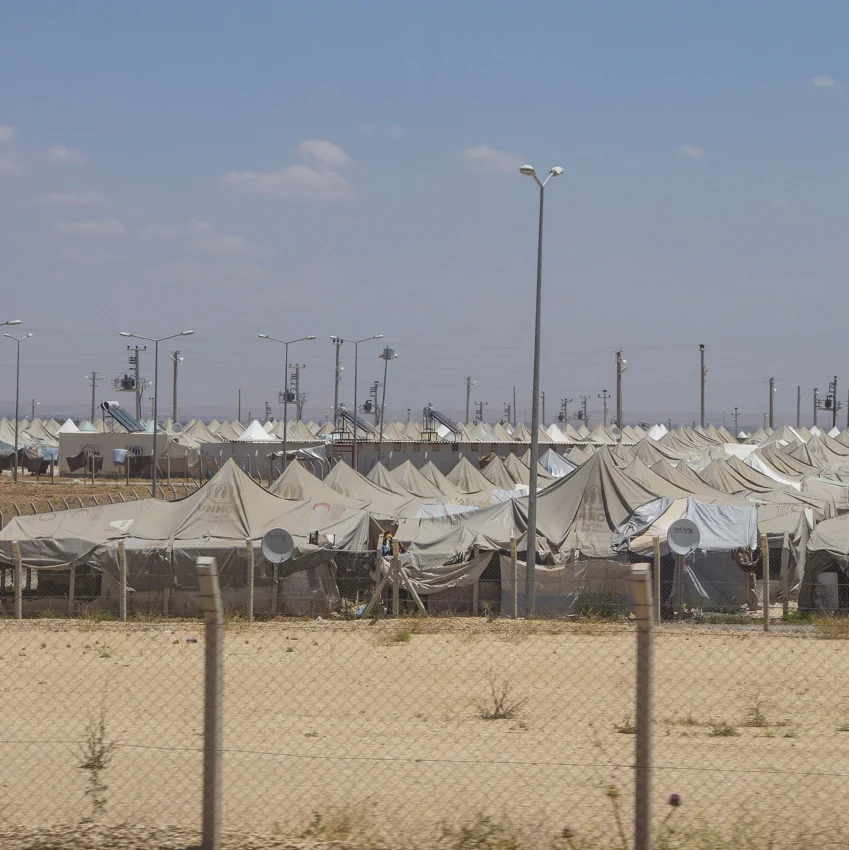
The number of people forcibly displaced by conflict, violence, and persecution declined in 2025 for the first time in more than a decade, according to a new report released by the United Nations refugee agency (UNHCR) on June 11, 2026. The decrease was driven largely by a significant rise in refugee and internally displaced person (IDP) returns, though the agency warns that long-term displacement remains a major global challenge.
UNHCR reported that approximately 5.4 million people were newly displaced in 2025, bringing the global refugee population to 41.6 million, including six million Palestinian refugees. During the same period, an estimated 14.7 million people returned to their countries or communities, nearly 50 percent more than in 2024 and the second-highest annual return figure recorded since 1965.
The largest returns were recorded in the Democratic Republic of Congo, Sudan, Syria, Afghanistan, Ukraine, and Myanmar.
Despite the positive trend, the agency cautioned that many refugees and displaced people returned under difficult circumstances, often facing insecurity, damaged infrastructure, limited access to basic services, and fragile local economies.
Afghanistan accounted for the largest number of returns, with 2.9 million Afghans returning in 2025, largely due to tighter migration policies in Iran and Pakistan. As a result, the Afghan refugee population fell from 5.8 million in 2024 to 3.7 million by the end of 2025.
Syria also saw a major shift, with 1.3 million people returning following the collapse of former President Bashar al-Assad’s government in December 2024. The number of Syrian refugees worldwide dropped to 4.9 million by the close of 2025.
However, UNHCR noted that displacement remains deeply entrenched. Nearly 70 percent of refugees have been living in exile for five years or longer, with many hosted by neighboring countries such as Lebanon, Jordan, Türkiye, and Iran.
At the end of 2025, 68.7 million people remained internally displaced due to conflict and violence worldwide, although that figure also declined slightly compared to the previous year.
The agency estimates that one in every 70 people globally is currently forcibly displaced. To address the growing challenge of protracted refugee situations, UNHCR has set a target of halving the number of refugees living in long-term displacement by 2035 through voluntary repatriation, expanded access to education and employment, and policies aimed at reducing aid dependency.
While the latest figures offer a rare sign of progress, UNHCR warned that without sustained investment, security, and economic opportunities, many recent returns may prove temporary rather than permanent.